

Gold has always had a strange kind of power over markets. Whenever economic uncertainty starts creeping in, investors quietly move back toward it. In 2026, that familiar pattern is happening again. Gold prices have been trending upward, and the reasons go far beyond simple supply and demand.
Several forces are pushing the market at the same time — rising inflation, central bank buying, global financial uncertainty, and strong demand from major economies. When all of these factors appear together, gold tends to gain momentum quickly. That’s exactly what we’re seeing now.
Understanding why gold prices are rising helps explain not just the current market trend but also why investors and governments continue to treat gold as one of the world’s most trusted financial safety nets.
Current Global Gold Price Trend
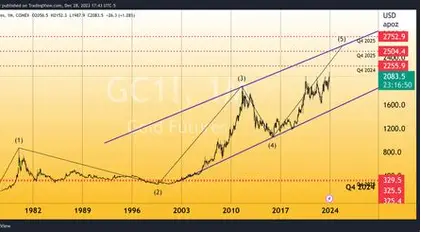
Gold prices have been moving upward again in 2026 as global markets respond to economic uncertainty and shifting investment behavior.
Investors often turn to gold when financial markets become volatile or when inflation begins to erode the value of traditional currencies. As a result, demand for gold tends to increase during periods of economic stress.
Market data tracked by the World Gold Council shows that global demand for gold has remained strong in recent years, supported by investment demand and central bank purchases. This steady interest has helped push prices higher across international markets.
Another factor driving the trend is market psychology. When investors believe economic risks are rising, many move toward assets that have historically held value over time. Gold benefits directly from this mindset.
Inflation and Economic Uncertainty
Inflation is one of the most common reasons investors shift toward gold.
When inflation rises, the purchasing power of traditional currencies gradually declines. In simple terms, money buys less over time. During these periods, gold often becomes attractive because it tends to hold value better than paper currencies.
Economic uncertainty also plays a major role. When markets become unstable or when recession fears grow, investors look for assets that can act as financial protection. Gold has built that reputation over centuries.
Analysis from the International Monetary Fund frequently highlights how inflation and economic instability influence investor behavior, especially in global commodity markets like gold.
Central Bank Gold Buying
One of the most important drivers behind rising gold prices in recent years has been aggressive buying by central banks.
Governments around the world hold gold as part of their foreign exchange reserves. Increasing gold reserves allows countries to diversify away from currencies and strengthen long-term financial security.
Data from the World Gold Council shows that central banks have significantly increased gold purchases in recent years. This demand alone can push global prices higher because central bank purchases often involve large volumes.
When governments start accumulating gold at scale, markets pay attention.
Weakening Currencies and Dollar Movements
Gold prices are closely tied to currency movements, particularly the strength of the U.S. dollar.
Since gold is traded globally in dollars, shifts in the currency can influence how expensive gold becomes for investors in other countries. When the dollar weakens, gold often becomes more attractive to international buyers.
Currency volatility can also push investors toward gold as a hedge against exchange-rate risk.
Financial analysts frequently monitor these relationships between currency markets and commodities through research from organizations like the U.S. Federal Reserve, which tracks global financial trends affecting asset prices.
Global Demand from Major Economies
Gold demand is not evenly distributed across the world. A handful of major economies play an outsized role in shaping global consumption.
India and China are two of the largest gold consumers, driven largely by cultural traditions, jewelry demand, and investment buying. Weddings, festivals, and long-term savings habits all contribute to strong demand in these markets.
The United States also contributes to global demand through investment products such as gold-backed exchange-traded funds (ETFs).
When demand rises simultaneously across these major economies, the global market tightens. Increased demand combined with limited supply often leads to rising gold prices.
What Rising Gold Prices Mean for Buyers
For everyday buyers, rising gold prices can have mixed effects.
Jewelry buyers often feel the impact first, since higher market prices translate directly into higher retail costs. This can reduce short-term demand in some markets, especially when prices spike quickly.
For investors, however, rising gold prices can signal growing confidence in gold as a long-term store of value. Some investors view gold as a way to hedge against inflation, market instability, or currency depreciation.
Of course, gold is not immune to market corrections. Prices can fluctuate depending on global economic conditions, interest rates, and investor sentiment.
Will Gold Prices Continue to Rise?

Predicting the future of gold prices is never straightforward.
If inflation remains elevated, geopolitical tensions continue, or economic uncertainty increases, gold could maintain its upward momentum. These conditions historically support higher demand for safe-haven assets.
On the other hand, stronger economic growth, rising interest rates, or a stronger dollar could slow the rally.
The reality is that gold markets move in cycles, often influenced by a complex mix of global economic factors.
Conclusion
Gold prices are rising in 2026 because several powerful forces are acting at the same time. Inflation concerns, economic uncertainty, central bank demand, currency volatility, and strong global consumption are all pushing the market upward.
While gold prices can fluctuate in the short term, the metal continues to play an important role in global financial systems. For investors and governments alike, gold remains one of the most trusted assets during uncertain times.
As global economic conditions continue to evolve, gold prices will likely remain closely tied to the same forces that have shaped the market for decades.
FAQs
Why are gold prices rising in 2026?
Gold prices are rising in 2026 due to several global factors including inflation concerns, economic uncertainty, increased central bank purchases, and strong demand from major economies like India and China.
How does inflation affect gold prices?
When inflation rises, the value of paper currencies can weaken. Investors often turn to gold as a safe-haven asset, which increases demand and pushes gold prices higher.
Which countries influence global gold prices the most?
Countries such as China, India, and the United States strongly influence gold prices because they represent some of the largest sources of global demand for gold.
Do central banks affect gold prices?
Yes. Central banks purchasing large amounts of gold can increase global demand, which often contributes to rising gold prices in international markets.
Is gold a good investment when prices are rising?
Gold can be attractive during uncertain economic periods because it often acts as a store of value. However, like any investment, gold prices can fluctuate depending on market conditions.