
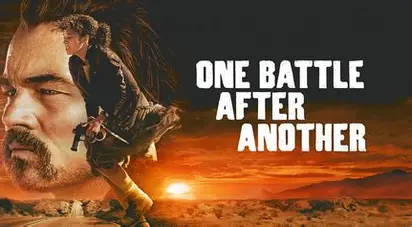
The ending of One Battle After Another has sparked a lot of discussion among viewers, with many people searching for a deeper explanation of the film’s final moments. Directed by Paul Thomas Anderson and starring Leonardo DiCaprio, the movie blends political drama, personal conflict, and dark humor into a story that feels chaotic but surprisingly emotional.
At first glance, the ending may seem simple. The immediate danger is gone and the characters finally get a moment of peace. But like most Paul Thomas Anderson films, the final scene carries deeper meaning beneath the surface.
If you want basic details about the film, you can check the official page on Warner Bros. or the film’s overview on Wikipedia. But the real conversation around the movie has been about how everything concludes.
Here is a closer look at what actually happens in the ending and what the film may be trying to say.
The Story Leading Into the Ending
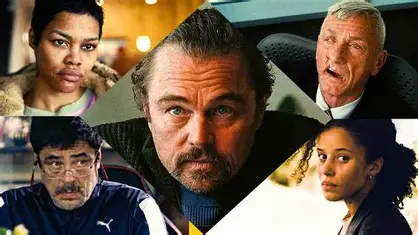
Before the final act makes sense, it helps to understand the journey that leads there. Leonardo DiCaprio plays Bob Ferguson, a former revolutionary who once belonged to a radical political group. Years earlier, the movement collapsed after a violent crackdown, forcing many members into hiding.
Bob eventually builds a quieter life with his daughter Willa. For a while it seems like he has escaped his past. But the film makes it clear that history rarely stays buried.
The return of Colonel Lockjaw, played by Sean Penn, brings Bob back into the world he tried to leave behind. Lockjaw represents everything Bob once fought against and everything he failed to escape.
When Willa becomes a target, the story turns into a tense rescue mission. Old alliances return, former enemies appear again, and the political tensions from the past begin to resurface.
As explained in a breakdown from Entertainment Weekly, the final act pushes the characters into a chaotic confrontation involving betrayal, pursuit, and a desperate attempt to survive.
What Happens During the Final Confrontation
The climax of the movie is intentionally messy. Instead of a clean heroic victory, everything unfolds in confusion and violence.
During the final confrontation, several characters from Bob’s past collide again. Willa manages to escape during the chaos of a high speed chase and gunfight. Lockjaw eventually meets his end in a surprising twist when the powerful group he was trying to impress turns against him.
His death feels less like justice and more like a reminder that people like him are simply tools in a larger system.
Bob arrives just in time to reconnect with his daughter once the chaos settles. This reunion becomes the emotional core of the ending.
Rather than pushing toward another dramatic action scene, the movie slows down and focuses on the characters processing what just happened.
The Letter That Changes the Meaning of the Ending
One of the most important moments in the final sequence is the voiceover from Willa’s mother, Perfidia. Her letter plays during the last moments of the film and quietly reframes the entire story.
Perfidia was also involved in the revolutionary movement years earlier, and her absence has shaped much of Bob and Willa’s lives.
In the letter, she reflects on struggle, sacrifice, and the reality that change rarely happens in a single moment. Instead, every generation inherits the unfinished battles of the previous one.
This moment reinforces the central idea behind the title of the movie.
What the Ending Probably Means
The final scene suggests that Bob finally understands something he spent years avoiding. The battles he fought in the past never truly ended.
They simply changed form.
For most of the film, Bob believes that escaping his old life will eventually bring peace. By the end, he realizes that the consequences of those years will always follow him.
At the same time, the story shifts its focus toward Willa.
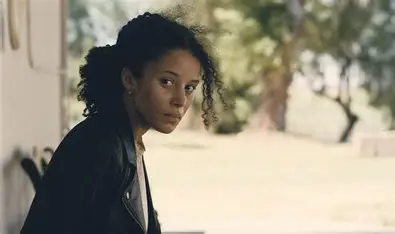
She begins the film as someone caught in the middle of her father’s past. But by the end she proves she can survive and make her own decisions.
The film seems to suggest that the next generation will face its own conflicts, even if those battles look different from the ones before.
Why the Ending Feels Different From Typical Hollywood Films
One reason the ending stands out is because it avoids the usual Hollywood formula.
Many action driven stories would end with a dramatic speech or a clear moment of triumph. Instead, this film closes with a quieter and more reflective tone.
The characters survive, but the world around them remains uncertain.
According to critics at RogerEbert.com, the film focuses more on the emotional cost of conflict than on the ideology behind it. That approach explains why the ending centers on family rather than political victory.
Why the Title Matters in the Final Scene
The title One Battle After Another becomes much clearer once the film ends.
Throughout the story, Bob believes that defeating enemies or escaping his past will finally bring closure. But the film shows that life rarely works that way.
Every solved problem eventually leads to another challenge.
For Bob, those battles were political and personal. For Willa, the future may bring different struggles, but they will still exist.
The title ultimately feels less like a description of the plot and more like the philosophy of the story.
Final Thoughts
The ending of One Battle After Another works because it refuses to offer a simple resolution. The villain is gone and the immediate threat has passed, but the deeper conflicts remain.
Bob finally understands that the past cannot be erased. The best he can do is move forward and protect the people he cares about.
Willa, however, represents something new. She carries the lessons of the previous generation but is not defined by their mistakes.
The final image of father and daughter driving away together does not suggest that their problems are over. It simply shows that they are ready to face whatever comes next.
And that idea captures the real message of the film. Life rarely ends with one decisive victory. More often, it is simply one battle after another.
FAQs
What is One Battle After Another about?
One Battle After Another follows Bob Ferguson, a former revolutionary who is forced to confront his past when his daughter becomes the target of powerful enemies connected to his old political movement.
Who stars in One Battle After Another?
The film stars Leonardo DiCaprio as Bob Ferguson along with Sean Penn, Regina Hall, Teyana Taylor, and Benicio del Toro.
What does the ending of One Battle After Another mean?
The ending suggests that conflict and struggle never truly disappear. Instead, every generation faces its own battles, which reflects the deeper meaning behind the title of the film.
Is One Battle After Another based on a book?
Yes, the movie is loosely inspired by the novel Vineland written by Thomas Pynchon.
Who directed One Battle After Another?
The film was directed by Paul Thomas Anderson, known for movies such as There Will Be Blood and Phantom Thread.