
Cyclone Ditwah: The Real Impact No One Is Talking About
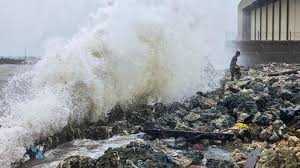
Cyclone Ditwah didn’t arrive quietly.
It came like an uninvited guest — loud, messy, and refusing to leave.
Everyone kept saying,
“Rain is coming, be careful.”
But no one expected this.
The sky turned dark, the wind started howling, and within minutes, the whole mood of the city changed.
When the Rain Started, Life Just… Stopped
The first few drops felt normal.
But then everything flipped.
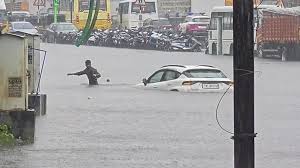
Chennai’s streets filled up faster than anyone could blink.
Water rushed in like it was angry.
Cars were half-drowned.
People were stuck in their homes watching the water level rise like a horror movie.
Some recorded videos from their balconies.
You could hear fear in their voices —
not because of the rain,
but because they didn’t know how bad it would get.
Lights Off. Phones Dying. Zero Updates.
And then the worst part happened.
The power went off.
For some people:
2 hours.
For others:
10–12 hours.
Imagine sitting in the dark with your phone at 8%.
No signal.
No fan.
No idea what’s happening outside.
It’s scary in a way you can’t explain.
Real People, Real Struggles
This is the part the big news channels won’t show you.
A man waded through chest-deep water just to get home to his kids.
A woman cried on camera because her entire ground floor flooded in 10 minutes.
Dogs and cats were stuck on terraces, shaking from fear.
Kids tried to sleep in the heat without power.
Families stayed awake all night listening to the wind slam their windows.
These stories are everywhere —
you just won’t see them on TV.
The Wind Wasn’t Just Strong, It Was Terrifying
Palm trees bent like they were made of paper.
Hoardings broke.
Two-wheelers fell over one by one.
It wasn’t the “rainy day” Chennai expected.
This felt personal.
Like Cyclone Ditwah came to test everyone.
Roads Closed. Flights Delayed. Schools Shut.
Life hit pause.
Flights couldn’t land.
Trains moved like snails.
Schools sent emergency holiday messages.
Shops shut early.
People who stepped outside had to turn back because the streets weren’t streets anymore — they were rivers.
Everyone Asked the Same Question: “Why Weren’t We Ready?”
Here’s the truth nobody wants to admit:
It wasn’t just the cyclone.
The city wasn’t prepared.
Drains overflowed instantly.
Pumps failed.
Emergency alerts were late.
People didn’t know where to go or what to do.
Cyclone Ditwah showed us how weak our systems are.
One storm is all it took to shut everything down.
What Happens Now?
Even though the worst is over, the after-effects are still hitting:
- Water is still stuck in low areas
- Power is still out in many homes
- Roads are damaged
- More rain is expected
- People are scared to step out
Cyclone Ditwah may pass,
but the struggle doesn’t leave so easily.
Final Word: Cyclone Ditwah Wasn’t Just a Storm — It Was a Wake-Up Call
Ditwah didn’t just flood streets.
It flooded truth.
We’re not ready.
Our systems aren’t strong.
And our people are the ones paying the price.
But here’s the most honest part:
In every video, every photo, every message —
you see strength too.
People helping strangers.
Neighbors checking on each other.
Young boys pushing stuck bikes.
Families sharing food in darkness.
The city bent,
but it didn’t break.
FAQs
What is Cyclone Ditwah?
A severe storm that brought heavy rain, strong winds, and flooding to Tamil Nadu, Chennai, Puducherry, and Andhra Pradesh.
Why did Chennai flood so quickly?
Because of poor drainage and sudden intense rainfall that the city couldn’t handle.
Which areas were hit the worst?
Low-lying areas of Chennai, coastal Tamil Nadu, and parts of Puducherry and Andhra.
Why were there long power cuts?
Waterlogging and strong winds damaged lines and made repair work risky.
Is it safe to go outside now?
Only if necessary — many roads are still flooded or slippery.