
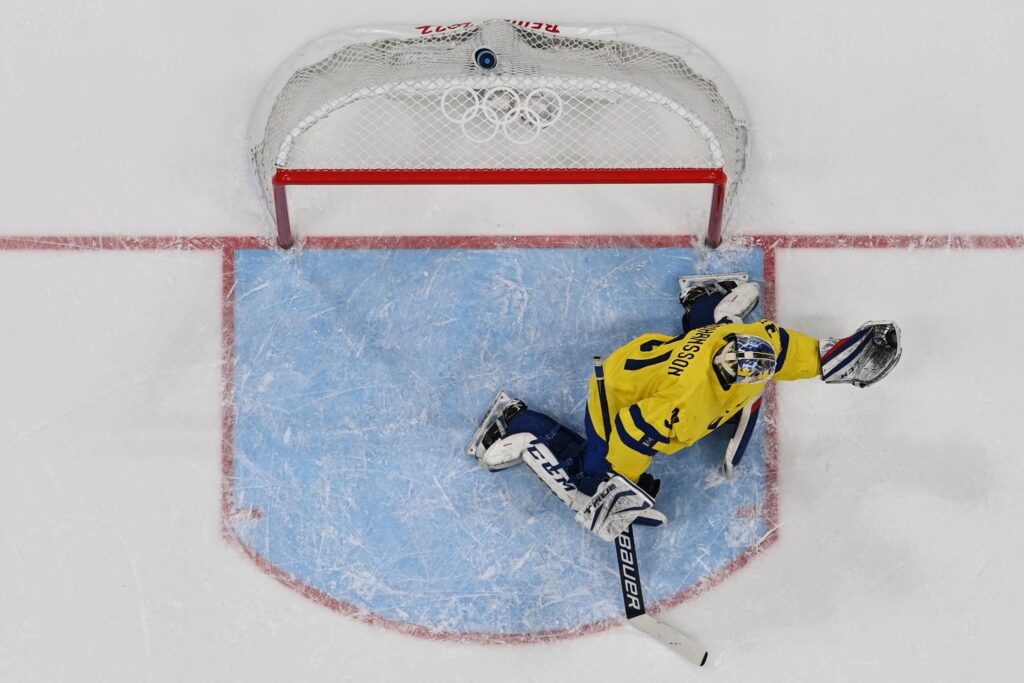
India understands pressure.
We’ve watched cricketers walk into a stadium where 60,000 people are screaming and millions more are watching at home. One bad innings becomes a national debate. One dropped catch becomes a career headline.
But while we obsess over cricket pressure, we barely understand what Olympic ice hockey pressure actually looks like on the world stage.
And trust me — it’s a completely different beast.
What Cricket Pressure Feels Like in India
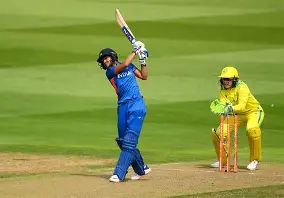
Cricket here isn’t just sport. It’s identity.
- World Cups feel like national referendums.
- Players carry expectations of 1.4 billion people.
- Media scrutiny is relentless.
- Social media verdicts arrive before the match ends.
The tension builds slowly. Overs pass. Narratives form. Momentum swings.
It’s a slow burn.
It’s mental chess.
But physically? It’s controlled. Structured. Measured.
Now step onto ice.
What Olympic Ice Hockey Pressure Actually Looks Like
At the Winter Olympics, there’s no slow build.
There is chaos.
Ice hockey is played on a rink roughly 60 meters long. Players skate at speeds that can exceed 30–40 km/h during open play. The puck can travel over 150 km/h on a hard shot. You have seconds — sometimes less — to make decisions.
That’s Olympic ice hockey pressure.
It’s not just about crowd noise.
It’s about:
- Thinking at high speed
- Absorbing body checks
- Executing under physical impact
- Knowing a single mistake can end your tournament
Most Olympic formats involve high-stakes knockout rounds. Lose, and you’re done. No second leg. No “we’ll bounce back next week.”
You don’t get a five-day Test match to recover mentally.
You get slammed into the boards.
Speed + Physicality + Elimination Intensity
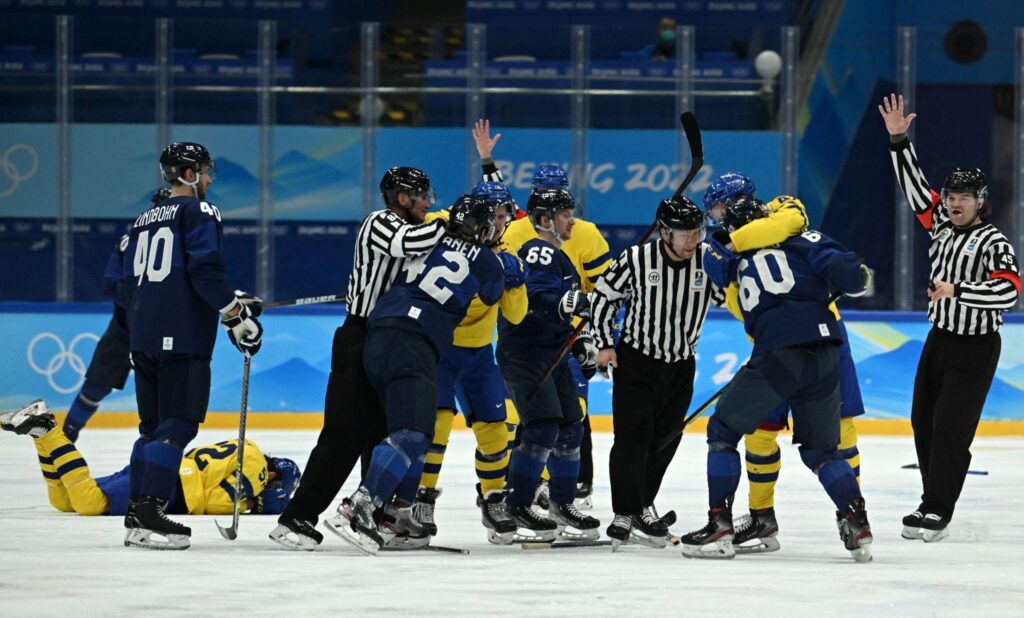
Here’s where it shifts from intense to brutal.
Ice hockey is full-contact. Legal body checks are part of the game. Collisions are routine. Goalkeepers face shots traveling at extreme speeds from close range.
Countries like:
- Canada
- United States
- Sweden
grow up with this sport embedded in their culture. For them, Olympic ice hockey isn’t an experiment — it’s legacy.
If you want to understand the scale of the sport globally, just look at the structure of the International Ice Hockey Federation — dozens of ranked national teams, structured world championships, qualification systems that demand years of consistent performance.
That’s not casual participation.
That’s long-term athletic ecosystems.
And when these nations meet at the Olympics, the intensity is different. You’re not just representing a franchise. You’re carrying national pride on a global stage.
That combination — physical punishment + split-second decisions + elimination stakes — is what defines Olympic ice hockey pressure.
It’s not louder than cricket.
It’s harsher.
So Which Pressure Is “Harder”?
Wrong debate.
Cricket pressure in India is psychologically suffocating.
Olympic ice hockey pressure is physically explosive and psychologically relentless at the same time.
They are different species.
But here’s the uncomfortable truth.
We debate cricket tactics endlessly.
We question team selections.
We demand accountability.
When it comes to Olympic ice hockey?
We’re not even in the room.
And India Isn’t Even in This Conversation Yet…
India does not currently compete among the elite in Olympic ice hockey. We don’t have the infrastructure depth, league structure, or competitive ranking required to even approach that stage.
We talk about handling pressure.
But we’ve never had to handle that version of it.
And that should raise a bigger question:
If Olympic ice hockey demands this level of speed, structure, and physicality… could India ever realistically compete at that level?
( If India Took Ice Hockey Seriously, Could We Ever Qualify?)
Because until we expand our sporting imagination beyond cricket, we’ll keep debating the same pressure — and never experience the kind that happens at 40 km/h on a sheet of ice.
And that conversation?
It’s long overdue.
FAQs
What is Olympic ice hockey pressure?
Olympic ice hockey pressure refers to the intense mental and physical demands placed on players during high-speed, full-contact matches at the Winter Olympics, especially in knockout rounds.
How is Olympic ice hockey pressure different from cricket pressure?
Cricket pressure in India is largely psychological and expectation-driven, while Olympic ice hockey pressure combines physical collisions, split-second decisions, and elimination stakes.
Why is ice hockey considered physically intense?
Ice hockey is a full-contact sport played at high speeds, where legal body checks, rapid transitions, and fast-moving shots increase both physical and mental pressure.
Does India compete in Olympic ice hockey?
India does not currently compete at the elite level in Olympic ice hockey due to infrastructure, ranking, and development limitations.
Why is Olympic ice hockey so competitive?
Nations like Canada, the United States, and Sweden have deep development systems, strong leagues, and long-standing hockey cultures that elevate competition standards.
1 thought on “We Talk About Cricket Pressure. Try Playing Ice Hockey at the Olympics.”