
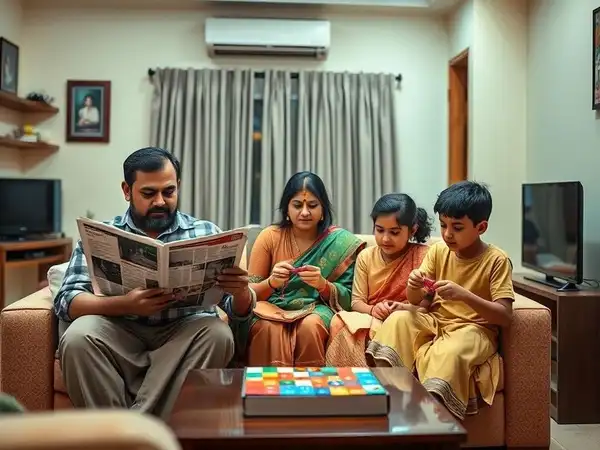
For a long time, being middle class in India felt like the safest place to stand.
Not rich enough to attract attention, not poor enough to feel unstable. You followed the rules, worked hard, paid your dues, and trusted that consistency would eventually turn into comfort.
That belief is breaking.
Today, the middle class in India isn’t protected — it’s cornered. And most people realise it only after getting stuck in responsibilities they can’t escape.
The Middle Class Is the System’s Favourite Payer
Here’s the uncomfortable truth:
the middle class in India funds the system more than anyone else.
You pay income tax without loopholes.
You pay GST on almost everything you consume.
You don’t qualify for subsidies or relief schemes.
If you’re poor, the system helps you survive.
If you’re rich, the system helps you optimise.
If you’re middle class, the system assumes you’ll adjust.
And you do — every single time.
Income Looks Fine on Paper — Life Doesn’t
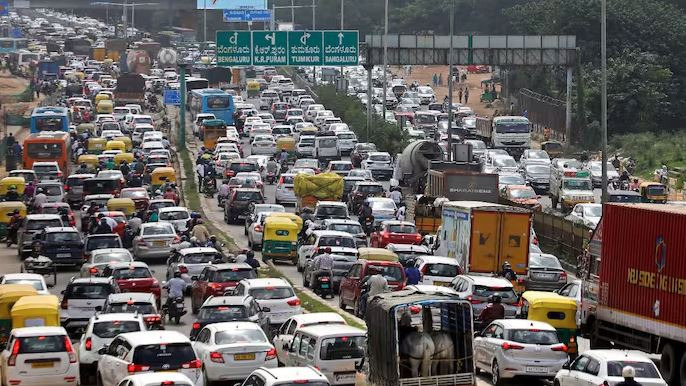
Salaries haven’t collapsed, but expenses have exploded.
Rent in cities keeps rising.
School fees feel endless.
Healthcare costs are unforgiving.
Daily living drains money faster than it comes in.
Official data itself shows how persistent inflation has made everyday life costlier, as reflected in Reserve Bank of India inflation data.
For the middle class in India, money enters the account and immediately exits — EMIs, taxes, family needs — leaving little control or breathing room.
EMI Life Is Not Financial Progress
This is where the trap tightens.
Homes, cars, phones — everything is bought on EMI. It looks like progress, but it’s actually long-term dependence on a single salary.
The middle class doesn’t build wealth first and then buy assets.
It buys assets first and spends decades paying for them.
This cycle is made worse by poor financial understanding. From overusing credit to zero long-term planning, the same mistakes repeat — a pattern already visible in financial illiteracy among the Indian middle class.
One job loss or one medical emergency is enough to destabilise everything.
No Cushion, No Backup, No Mercy
This is where the middle class in India loses the hardest.
You don’t qualify for large-scale government support.
You don’t have generational wealth to fall back on.
You’re expected to manage emergencies quietly and move on.
Salaried Indians form the backbone of direct tax collection, a reality clearly reflected in India’s income tax statistics — yet that contribution doesn’t translate into protection. publicly feels like failure. So people suffer privately instead.
Social Pressure Makes It Worse
IndIndian society quietly enforces this cycle.
You’re expected to:
- Buy a house, no matter the cost
- Spend heavily on weddings
- Keep upgrading your lifestyle
- Never admit financial stress
So people stretch themselves thin just to look “settled.”
The middle class in India doesn’t just struggle financially — it struggles emotionally, in silence.
Playing Fair in an Unfair Game

The irony is brutal.
The middle class follows rules, pays taxes on time, avoids shortcuts, and believes in stability. Meanwhile, loopholes exist at the top and safety nets exist at the bottom.
What’s left in the middle is pressure — constant, unforgiving pressure.
Household spending patterns published in National Statistical Office reports show how little room is left for savings once basic expenses are covered.
The Mental and Emotional Cost
This trap doesn’t only affect bank balances.
It creates:
- Constant anxiety about falling behind
- Fear of one mistake undoing everything
- Exhaustion from endless responsibility
Many people in the middle class in India are not lazy or careless. They’re tired. Tired of holding everything together without margin for error.
So What Actually Needs to Change?
The old script no longer works.
Blind loyalty to “safe jobs,” blind faith in EMIs, and blind obedience to social timelines are dangerous now.
The middle class needs:
- Multiple income streams, not just one salary
- Lower lifestyle inflation, not higher status spending
- Real financial literacy, not motivational advice
- A new definition of success that isn’t tied to appearances
This isn’t about pessimism. It’s about realism.
Final Thought
Being middle class in India used to mean balance.
Today, it means pressure — financial, emotional, and social — with very little protection.
Ignoring this won’t make it disappear.
Talking about it won’t fix everything either.
But pretending it’s fine?
That’s the real trap.
FAQs
Why is the middle class in India struggling despite stable incomes?
Because income growth hasn’t matched rising expenses like housing, healthcare, education, taxes, and EMIs, leaving little real financial security.
Is being middle class in India still considered financially safe?
Not anymore. Without multiple income streams or strong savings, one emergency can destabilise an entire household.
How do EMIs affect the middle class in India?
EMIs create the illusion of progress while increasing long-term dependency on a single salary, reducing flexibility and increasing risk.
Why does the middle class in India feel ignored by policy?
Because most welfare schemes target lower-income groups, while tax benefits often favour higher earners, leaving the middle class squeezed in between.
What can the middle class in India do to escape this trap?
Focus on income diversification, avoid lifestyle inflation, build emergency savings, and redefine success beyond social pressure.