
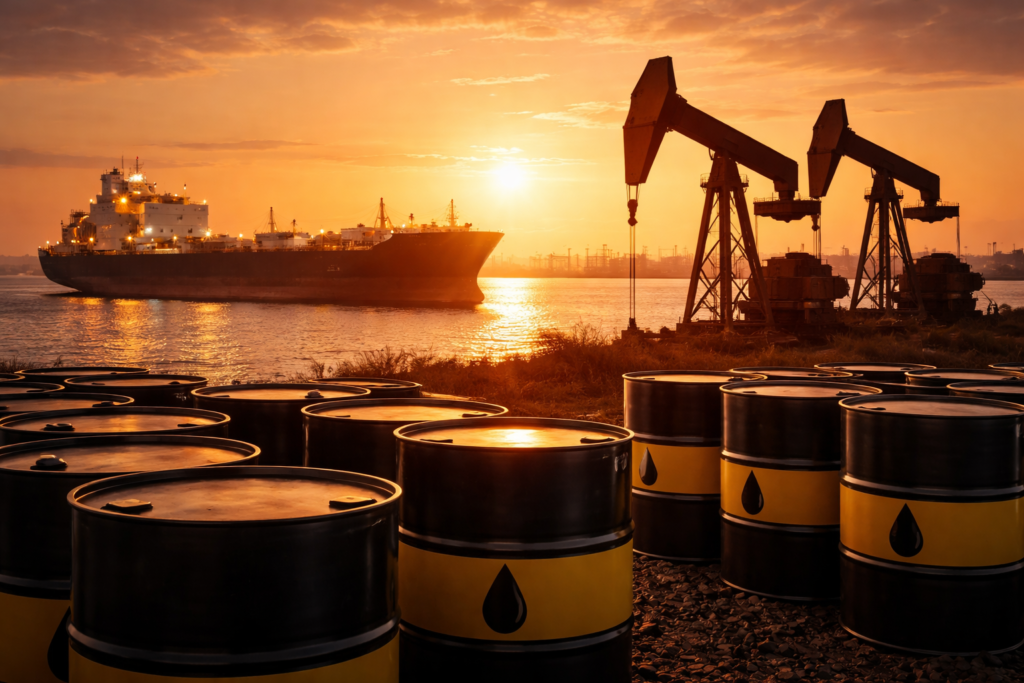
Crude oil prices are back in the global spotlight again. Over the past few months, markets have seen noticeable volatility as supply concerns, geopolitical tensions, and strong demand continue to push prices upward. For countries that rely heavily on imported energy, even small changes in crude oil prices can have major economic consequences.
The reality is that crude oil prices rarely move for just one reason. Instead, they react to a mix of political decisions, global conflicts, economic recovery, and production strategies from major oil-producing nations. Understanding what is pushing prices higher in 2026 helps explain why fuel costs, inflation, and transportation expenses may also rise across the world.
If you want a deeper look at how these global oil movements affect India specifically, you can read this detailed analysis on Oil Prices Impact on India.
Current Global Crude Oil Price Trend

Global crude oil prices have shown consistent volatility recently. Markets tend to react quickly to supply disruptions, policy announcements, or geopolitical uncertainty.
When global demand rises while supply remains tight, prices naturally increase. According to data tracked by the U.S. Energy Information Administration, global oil markets have remained sensitive to supply constraints and production policies in recent years.
Energy traders also closely monitor production levels, inventory data, and economic activity across major economies. When industrial demand strengthens or shipping and aviation activity increases, oil consumption rises as well. This constant balancing act between supply and demand is what keeps crude oil prices moving.
OPEC Production Decisions
One of the biggest forces influencing crude oil prices is the production strategy of OPEC and its allied producers.
The group of oil-producing nations regularly adjusts output levels in order to stabilize or influence global prices. When production is reduced, the supply available in the market drops, which can push prices higher.
Reports from the OPEC official website show that production agreements and output adjustments continue to play a major role in shaping oil supply worldwide.
These decisions are closely watched by investors because even small production cuts can shift the balance between global supply and demand.
Middle East Tensions and Oil Supply Risks
Geopolitical tensions in the Middle East have historically had a direct impact on crude oil prices. The region is responsible for a significant portion of the world’s oil production, and any instability can raise concerns about supply disruptions.
Shipping routes such as the Strait of Hormuz are especially important because a large share of global oil exports pass through this narrow corridor. When political tensions rise or security risks increase in this region, markets often react immediately.
Coverage from Reuters energy news frequently highlights how geopolitical developments in major oil-producing regions can trigger price volatility.
Even the possibility of supply disruptions can push crude oil prices upward because markets tend to price in potential risks early.
Russia’s Role in Global Oil Supply
Russia remains one of the world’s largest oil exporters, which means changes in its production or exports can influence global markets.
Sanctions, trade restrictions, and shifting energy alliances have complicated global oil supply in recent years. When large producers face export limitations or logistical challenges, the global supply chain becomes tighter.
Energy market analysts frequently track Russia’s oil output and exports through reports published by the International Energy Agency.
Because global oil markets are highly interconnected, supply disruptions in one region can easily ripple across the entire market.
Growing Global Energy Demand
Another major reason crude oil prices are rising is the steady increase in global energy demand.
As economies continue to grow and industrial activity expands, oil consumption naturally increases. Transportation, manufacturing, aviation, and shipping remain heavily dependent on petroleum products.
Large economies such as the United States, China, and India consume enormous amounts of energy every day. When economic growth strengthens across multiple regions at the same time, demand for crude oil rises sharply.
This growing demand places additional pressure on supply, which can lead to higher prices if production does not increase at the same pace.
What Rising Oil Prices Mean for Countries Like India
For countries that import a large portion of their crude oil, rising prices can have a direct impact on the economy.
Higher crude oil prices often translate into increased costs for petrol, diesel, transportation, and logistics. These changes can eventually influence inflation, production costs, and everyday expenses for consumers.
If you want a deeper breakdown of this effect, you can read the full explanation in Petrol Price Impact on India.
Understanding the relationship between global oil markets and domestic fuel prices helps explain why governments and economists closely monitor crude oil prices.
Could Oil Prices Rise Further?
Predicting future crude oil prices is never straightforward. Markets respond to a wide range of factors including political developments, economic growth, production decisions, and unexpected disruptions.
If global demand continues to grow while supply remains restricted, prices could remain elevated. On the other hand, increased production or slower economic growth could stabilize the market.
Energy markets are often unpredictable, but one thing is clear: crude oil prices will continue to be influenced by global politics, economic activity, and strategic decisions made by major oil-producing nations.
Conclusion
Crude oil prices are rising in 2026 because of a combination of supply restrictions, geopolitical tensions, strong global demand, and shifting production strategies from major energy producers.
Oil markets are deeply interconnected, which means events in one part of the world can quickly affect prices everywhere else. For economies that depend heavily on imported oil, these changes can influence fuel costs, inflation, and economic stability.
As global energy demand continues to evolve, crude oil prices will likely remain one of the most closely watched indicators in the world economy.
FAQs
Why are crude oil prices rising in 2026?
Crude oil prices are rising due to a combination of factors including OPEC production decisions, geopolitical tensions in key oil-producing regions, strong global energy demand, and supply disruptions in major exporting countries.
How do crude oil prices affect petrol prices?
When crude oil prices increase, the cost of refining and importing fuel also rises. This often leads to higher petrol and diesel prices in countries that depend heavily on imported oil.
Which countries influence global crude oil prices the most?
Major oil producers such as Saudi Arabia, Russia, the United States, and other OPEC members have a significant impact on global crude oil prices because they control large portions of global oil supply.
Why are global oil markets so sensitive to geopolitical tensions?
Oil markets react quickly to geopolitical tensions because conflicts or instability in oil-producing regions can disrupt supply chains and reduce global oil availability.
Could crude oil prices continue to rise?
Crude oil prices may continue to fluctuate depending on production decisions, global demand, economic growth, and geopolitical developments affecting energy supply.
3 thoughts on “Why Crude Oil Prices Are Rising in 2026: Key Global Reasons Explained”