

Feels like your money is disappearing faster than before? You’re not imagining it.
The Prices Rising in India 2026 trend is real, and it’s not limited to one or two things. It’s happening across your daily life. Fuel, food, transport, even small services, everything is slowly getting more expensive.
The problem is not a sudden price hike. It’s the steady increase that builds pressure over time. You don’t notice it in one day, but by the end of the month your budget feels tighter for no clear reason.
Let’s break this down properly so you understand exactly where your money is going and why.
Quick Summary of What’s Getting Expensive
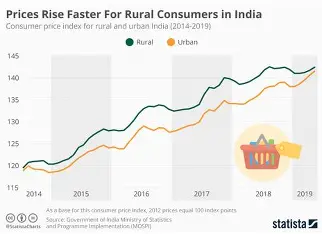
Here’s a simple breakdown:
- Petrol and diesel prices staying high
- LPG cylinder costs fluctuating
- Grocery bills increasing month by month
- Transport and travel getting costlier
- Delivery and convenience charges rising
- Daily household expenses adding up
Now let’s go deeper into each one.
Petrol and Diesel Prices in 2026
Fuel is still the base of everything. When fuel prices go up or stay high, everything else follows.
In most Indian cities, petrol prices are around ₹95 to ₹105 per litre. Diesel is slightly cheaper, but still expensive enough to impact daily costs. You can track real-time changes on the Indian Oil official website.
Fuel prices are also heavily influenced by global crude oil trends. If you want to understand the bigger picture, read our detailed breakdown on crude oil prices rising in 2026.
What this actually means
Fuel affects more than just your car:
- Transport costs increase
- Goods become costlier
- Services become expensive
So even if you are not driving, you are still paying for fuel in everything you buy.
LPG Cylinder Prices and Monthly Pressure
LPG is not a luxury. It is a fixed monthly expense for most Indian households.
Prices are currently around ₹900 to ₹1,100 depending on location and subsidy.
LPG prices are also influenced by supply issues and demand shifts. If you want to understand this deeper, check our detailed guide on LPG shortage in India.
What this actually means
A ₹50 to ₹100 increase may not sound big, but over time:
- Monthly expenses rise
- Savings reduce
- Budget planning becomes tighter
This is where middle-class pressure builds quietly.
Grocery Prices Are Rising Without Noise
This is the most noticeable category over time.
Vegetables, pulses, cooking oil, and packaged food items are all seeing gradual increases.
According to data from the Ministry of Statistics and Programme Implementation, food inflation trends continue to fluctuate and directly impact household budgets. You can explore official data on the MOSPI portal.
What this actually means
- Same budget buys less
- Spending increases slowly
- People shift to cheaper options
This is where most households feel the pressure first.
Transport and Travel Costs Are Increasing
Transport costs are rising due to multiple factors:
- Fuel prices
- Increased demand
- Platform pricing in cab services
What this actually means
Daily commuting becomes more expensive:
- Office travel costs increase
- Regular trips feel costlier
- Monthly transport budget grows
Delivery and Convenience Is No Longer Cheap
Convenience now comes at a cost.
Food delivery, grocery apps, and courier services now include:
- Delivery fees
- Platform charges
- Surge pricing
What this actually means
You are paying extra for comfort and speed.
Small charges add up and become a noticeable monthly expense.
Daily Household Expenses Are Slowly Climbing
This includes:
- Electricity bills
- Internet and mobile plans
- Maintenance and service costs
What this actually means
These are not big expenses individually, but together they increase financial pressure.
Why Prices Are Rising in India 2026
The Prices Rising in India 2026 trend is driven by a few key factors:
Inflation
The overall increase in cost of goods and services over time
Fuel Dependency
India relies heavily on imported fuel
Supply Chain Costs
Transport and logistics increase final product prices
High Demand
Strong demand keeps prices from dropping
You can explore broader economic insights through the Reserve Bank of India on the RBI official website.
What This Means for You
These rising costs are becoming the new normal.
Who is affected most
- Middle-class families
- Salaried individuals
- Fixed income households
What changes
- Savings reduce
- Monthly budgets tighten
- Spending becomes more controlled
The biggest mistake is ignoring small increases.
Is Anything Getting Cheaper
Not in essential categories.
Some items may appear cheaper due to discounts, but core living expenses continue to rise.
Final Thoughts
The Prices Rising in India 2026 trend is not about sudden shocks. It is about steady pressure.
Everything becomes slightly more expensive, and over time that adds up.
If you stay aware and adjust your habits, you stay in control. If you ignore it, you feel it every month without understanding why.
FAQs
Why are prices rising in India in 2026?
Prices are rising due to inflation, higher fuel costs, supply chain expenses, and strong demand for essential goods.
Is petrol price increasing again in India?
Petrol prices remain high and fluctuate regularly, which increases transport and product costs.
Why are grocery prices increasing in India?
Grocery prices are rising due to inflation, transportation costs, and supply disruptions.
What is the LPG price in India 2026?
LPG prices are around ₹900 to ₹1,100 depending on location and subsidy availability.
How does inflation affect daily life in India?
Inflation increases the cost of essential goods and services, making monthly expenses higher and reducing savings.