
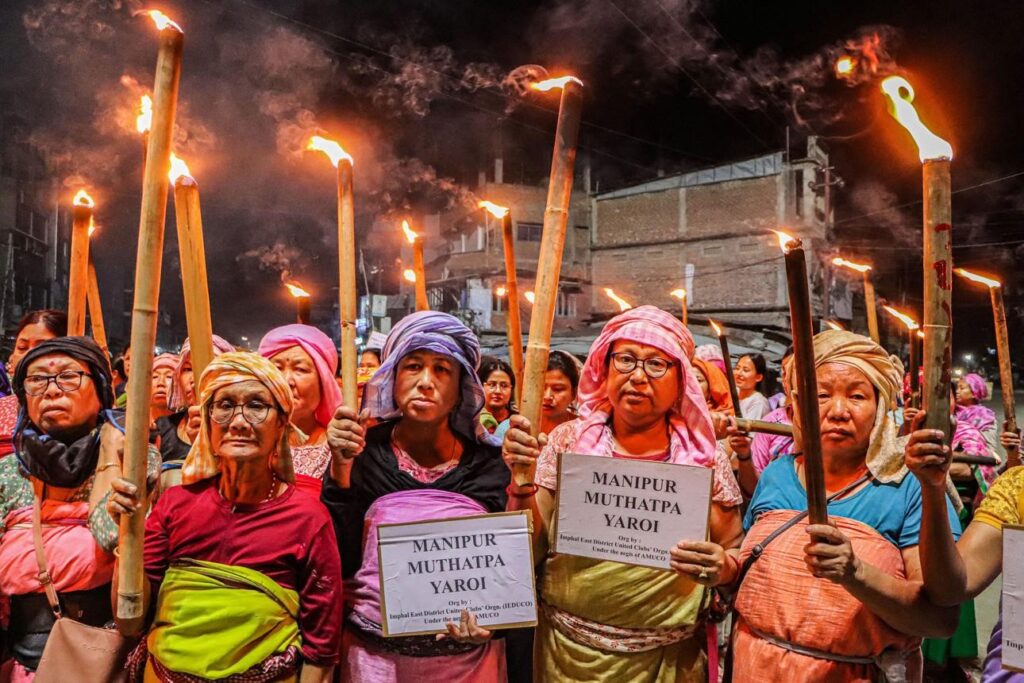
Two children killed in their sleep. Streets empty again. Internet shut down.
That is where the Manipur Violence 2026 story starts for most people.
But if you think this is just another sudden outbreak of violence, you are missing the bigger picture.
What is happening in Manipur right now is not new. It is a continuation of a conflict that never really ended.
Here is a clear breakdown of what sparked the latest violence, why it spread, and why the situation still feels out of control.
What Sparked the Latest Manipur Violence 2026
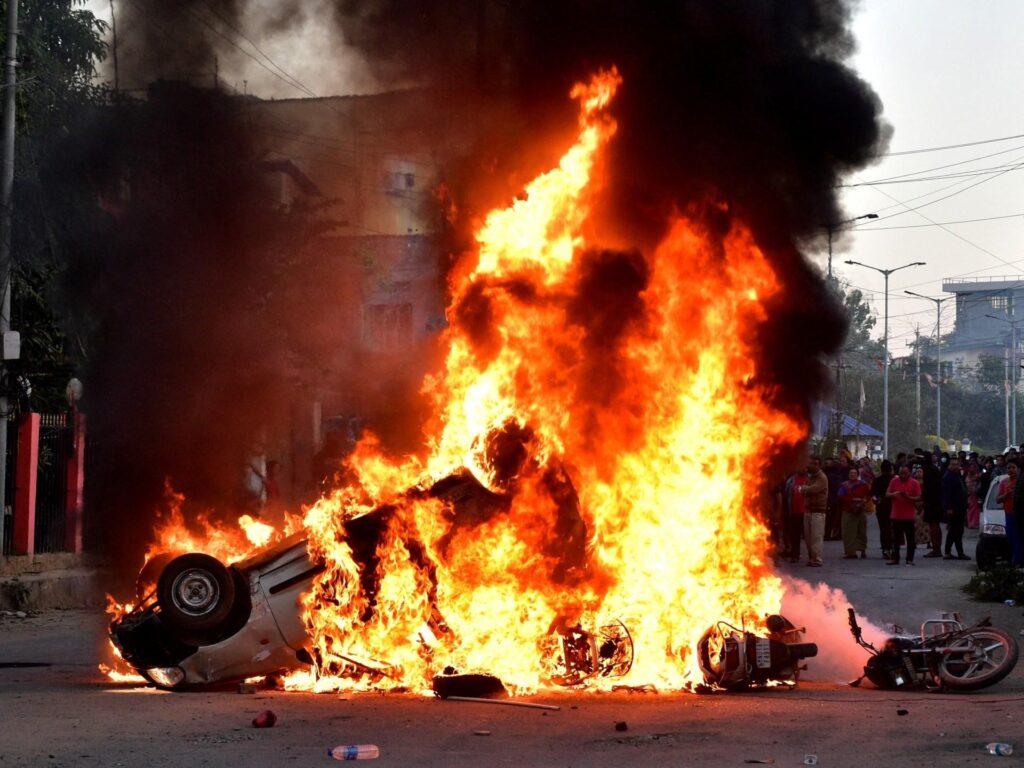
The immediate trigger behind Manipur Violence 2026 was a deadly attack in early April.
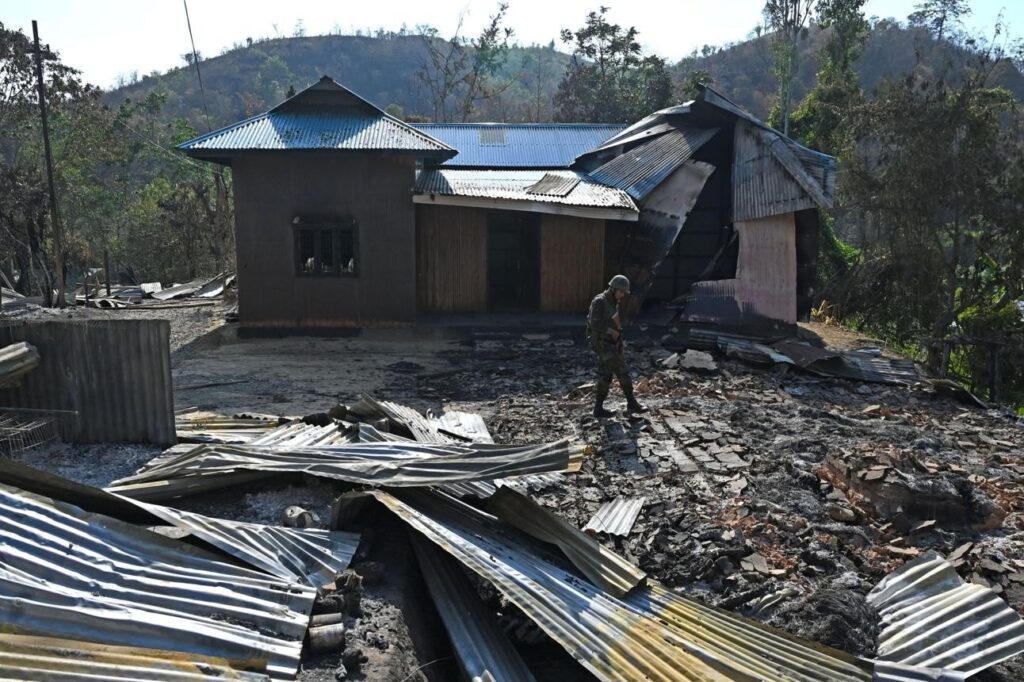
In the Tronglaobi area of Bishnupur district, a residential house was targeted using an explosive device. A five year old boy and a six month old infant were killed while they slept. Their mother was left seriously injured.
This incident shocked people across communities. The scale of anger was immediate and intense.
Reliable reporting on this attack was covered by outlets like The Kathmandu Post report on the Bishnupur attack and other Indian news platforms.
This moment matters because it did not create the conflict. It triggered an already unstable situation.
Why Manipur Violence 2026 Spread So Quickly
After the Bishnupur attack, the situation escalated instead of stabilizing.
Several killings were reported in the days that followed, including civilians and a security personnel. What made things worse was the lack of immediate accountability.
No clear arrests. No fast answers.
According to coverage from The Week’s report on escalating Manipur violence, investigation teams struggled to access affected areas due to road blockades and protests. Local groups restricted movement, slowing down any official response.
This created a cycle that kept feeding itself.
Violence led to anger.
Anger led to protests.
Protests disrupted investigations.
And delayed investigations increased anger again.
That is how Manipur Violence 2026 spread so fast across districts.
Protests, Shutdowns, and Internet Bans Across Manipur
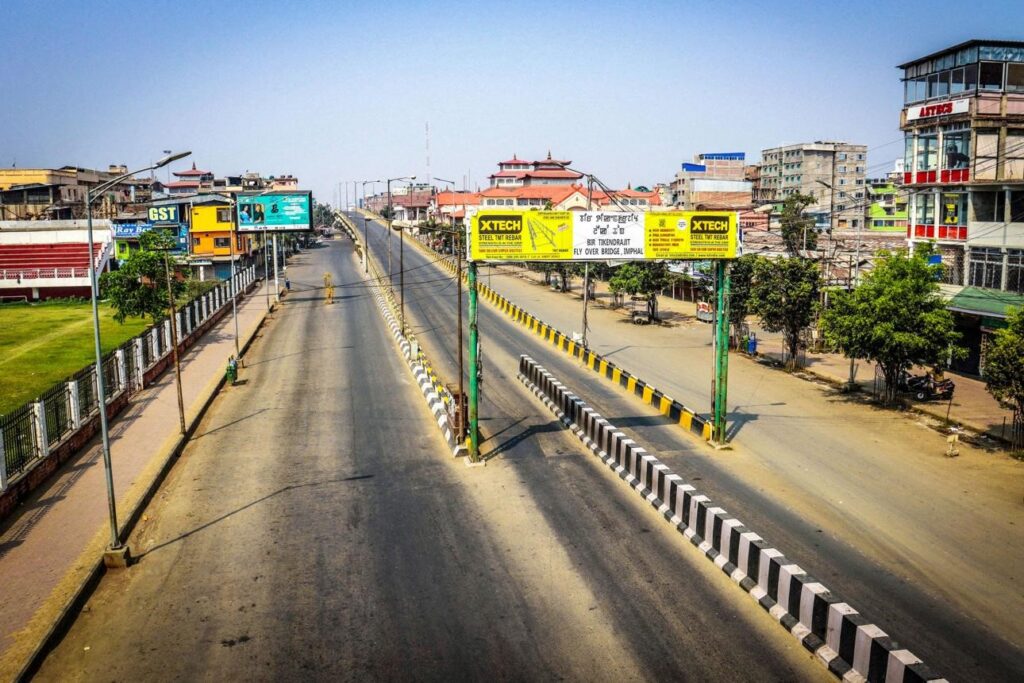
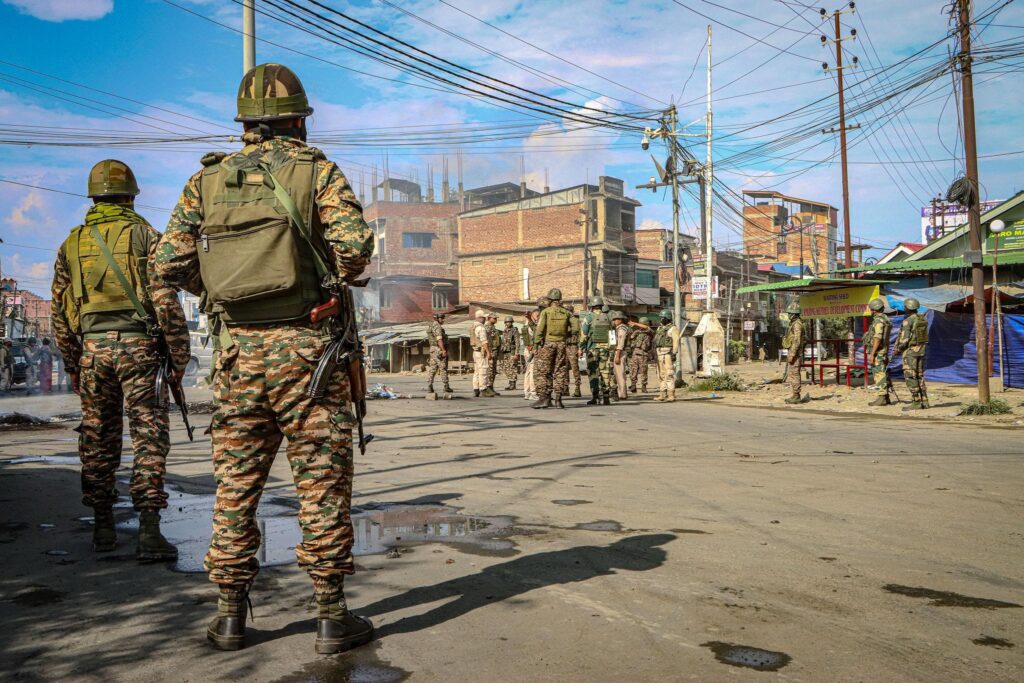
One of the most visible effects of Manipur Violence 2026 has been the collapse of daily life.
Shutdowns disrupted transport systems. Schools were forced to close. Local businesses stopped operating. Entire areas went silent.
The government imposed curfews and suspended mobile internet services in several districts to prevent misinformation and further escalation.
You can see detailed coverage in Outlook India’s report on Manipur shutdowns and restrictions.
But this comes with a trade off.
Internet shutdowns may slow the spread of rumors, but they also isolate people. Families lose communication. Students lose access to learning. Small businesses lose income.
For many residents, the crisis is not just about violence. It is about survival.
The Real Reason Manipur Violence Never Ends
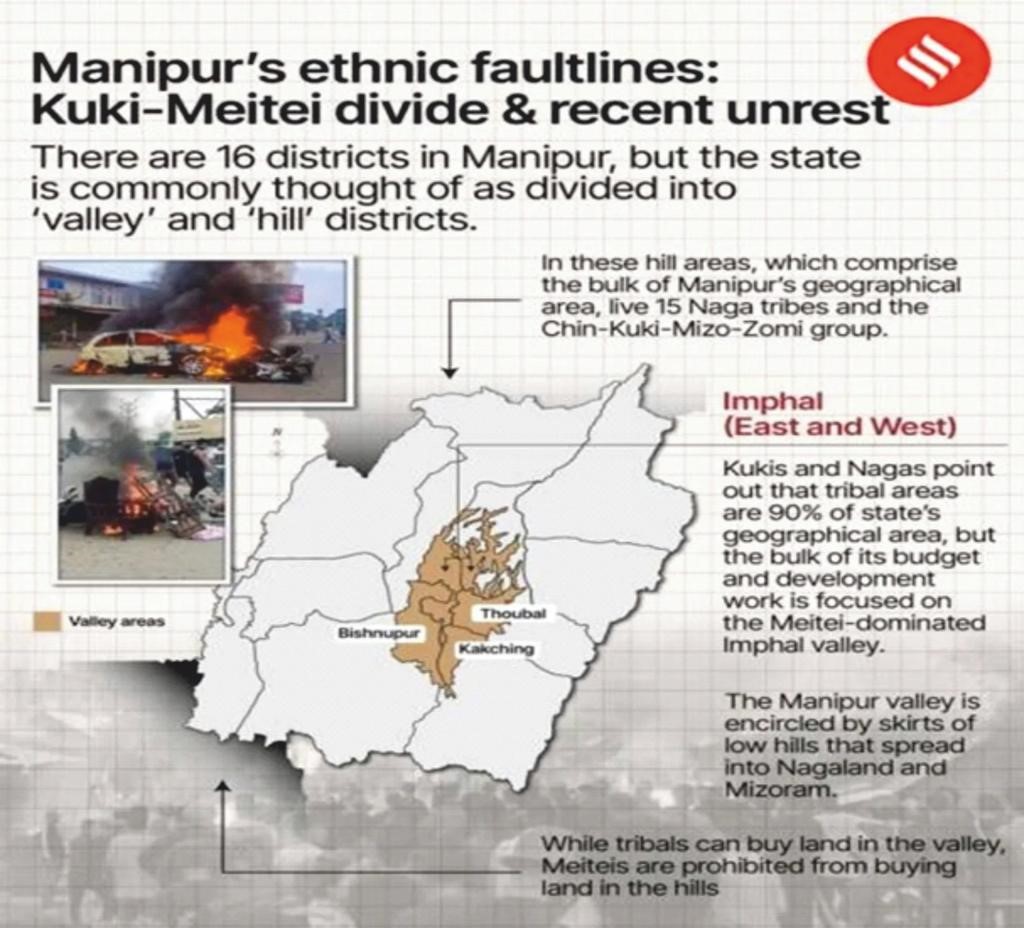
To understand Manipur Violence 2026, you have to go back to May 3, 2023.
That is when large scale ethnic violence first broke out between the Meitei community and the Kuki-Zo groups.
This is not just about clashes. It is about deeper structural issues.
Identity conflict
The Meitei community has pushed for Scheduled Tribe status. Tribal groups oppose this because they fear losing protections.
Land control
Hill areas are protected for tribal communities. Any legal shift could affect land ownership and access.
Broken trust
Violence in 2023 led to mass displacement, killings, and destruction of homes. Trust between communities collapsed.
According to compiled data referenced by Wikipedia’s overview of the Manipur conflict, more than 250 people have been killed and over 60,000 displaced since the conflict began.
That kind of damage does not disappear in a year.
So when Manipur Violence 2026 happens, it is not a surprise. It is a continuation.
Has Politics Helped or Made Manipur Violence 2026 Worse
The political situation adds another layer to the crisis.
After a period under President’s Rule, a new government took charge in early 2026. There were attempts to restart dialogue between communities.
A peace meeting was held in March 2026 and described as a rare direct engagement between groups after years of tension.
On paper, this looks like progress.
In reality, the core issues remain unresolved.
There is still no clear accountability for past violence. Displaced families are still struggling to return. Land rights and identity conflicts are still open.
That is why Manipur Violence 2026 continues to resurface despite political changes.
What Happens Next in Manipur
The situation right now is unstable, not resolved.
Three key factors will decide what happens next.
Accountability
If investigations do not lead to visible action, public anger will keep growing.
Real dialogue
Meetings need to lead to actual solutions, not just statements.
Rebuilding trust
This is the hardest part. Once trust breaks at this scale, recovery takes years.
Until these are addressed, cycles like Manipur Violence 2026 are likely to repeat.
Final Thoughts
The Manipur Violence 2026 story is not just about one incident or one month.
It is about what happens when deep social divisions are left unresolved for too long.
If you only follow headlines, it looks sudden.
If you look deeper, it becomes clear that this has been building for years.
And unless something changes at the root level, this cycle is far from over.
FAQs
What caused Manipur Violence 2026
Manipur Violence 2026 was triggered by a deadly attack in Bishnupur, but it is rooted in a long running ethnic conflict between Meitei and Kuki-Zo communities that began in 2023.
Why is Manipur still facing violence in 2026
The conflict continues due to unresolved issues related to land rights, identity, and lack of accountability after earlier violence.
Why was the internet shut down during Manipur Violence 2026
Authorities restricted internet services to control misinformation and prevent further escalation during protests and clashes.
Is Manipur Violence 2026 under control now
The situation remains unstable with periodic flare ups and ongoing tensions between communities.
1 thought on “Manipur Violence 2026 Explained: Why the State Is Burning Again”