

Hidden Charges in IPO Investing is something most beginners don’t even realize exists.
If you ask someone how much it costs to invest in an IPO, the answer is almost always the same: nothing. People believe IPO investing is completely free because there is no visible charge when applying.
And technically, that’s true at one level.
But IPO investing is not just about applying. It includes holding shares, selling them, and managing your account. And once you look at the full process, you start seeing costs that are not obvious in the beginning.
This is exactly where most confusion around Hidden Charges in IPO Investing begins.
Are IPOs Really Free in India?

Short answer: IPO applications are mostly free, but IPO investing is not completely free.
When you apply for an IPO, your money is blocked using the ASBA system. It is only debited if you receive allotment. You can understand this process in
ASBA IPO application process
Since no trade is executed during application, brokers usually do not charge brokerage. This is also explained in
IPO brokerage charges explained
So yes, the entry looks free.
But the moment shares are allotted and you interact with the market, costs start appearing.
Types of Hidden Charges in IPO Investing You Should Know
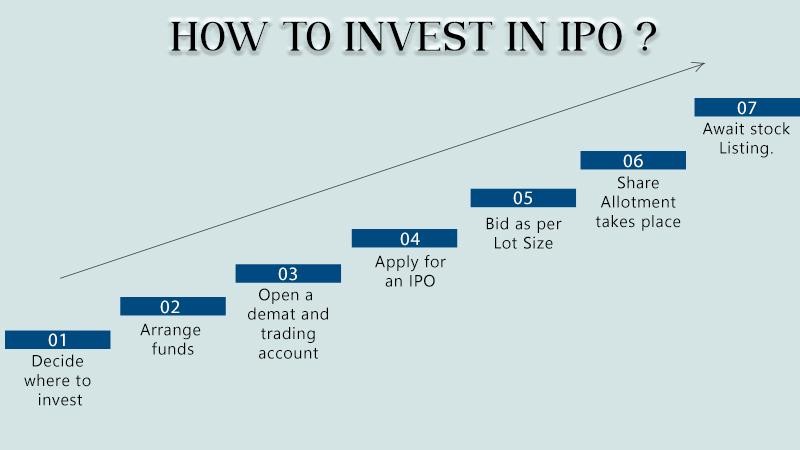
To understand Hidden Charges in IPO
1. Demat Account Charges (AMC)
A demat account is mandatory to hold IPO shares. Most demat accounts come with an Annual Maintenance Charge.
Depending on the broker, this can range between ₹300 and ₹800 per year, as explained in
demat account charges and fees
Even if you are only investing in IPOs occasionally, this cost still applies because your shares are stored in that account.
2. Platform and Service Costs
While most brokers advertise zero-cost IPO applications, some indirect costs may still exist.
These can include:
- platform-related service adjustments
- payment processing charges in rare cases
- account-related fees
These costs are not always visible upfront, which is why many investors ignore them.
3. GST on Financial Charges
All financial services in India include GST.
This applies to:
- brokerage
- demat account charges
- transaction fees
Even if individual charges are small, GST increases the total cost slightly.
4. Hidden Charges in IPO Investing After Listing
This is the most important part and the most ignored one.
Once your IPO shares are listed and you decide to sell them, the transaction is treated like a normal stock trade.
At this stage, multiple charges apply together:
- Brokerage charged by your broker
- Securities Transaction Tax on the trade
- Exchange transaction charges
- GST on brokerage
These charges are deducted automatically when you sell your shares.
Individually, they may look small, but together they reduce your actual profit. This is why the profit you see before selling is never the final amount you receive.
This is one of the most critical aspects of Hidden Charges in IPO Investing.
5. Short-Term Capital Gains Tax
If you sell your IPO shares within one year, your profit is taxed.
Currently, short-term capital gains are taxed at 15 percent.
This is not hidden, but many investors fail to include it when calculating returns.
Real Example of IPO Costs
Let’s take a realistic example to understand how Hidden Charges in IPO Investing affect returns.
You invest ₹15,000 in an IPO and receive full allotment. The stock lists at a premium and your investment becomes ₹18,000.
On paper:
- Profit = ₹3,000
Now let’s include actual deductions:
- Brokerage on selling
- Securities Transaction Tax
- Exchange charges
- GST on brokerage
- 15 percent tax on ₹3,000
After all deductions, your actual profit will be lower than ₹3,000.
This example clearly shows how Hidden Charges in IPO Investing reduce real returns.
Why People Think IPO Investing is Free
There are simple reasons behind this misconception.
First, brokers promote IPOs as zero-cost because there is no charge for applying.
Second, the process looks simple and clean. You apply, get allotment, and sell.
Third, most beginners focus only on listing gains and ignore backend costs.
This combination creates the illusion that IPO investing is completely free.
Biggest Cost Most Investors Ignore
The biggest cost is not in applying for the IPO. It is in exiting the investment.
Selling charges and taxes have a bigger impact than most people expect, especially when profits are small.
If you want to understand how returns can shrink further, read
IPO oversubscription loss in India
Even without charges, IPO outcomes are not guaranteed. When you add costs, margins get tighter.
Are These Charges Avoidable?
Most of these charges cannot be completely avoided, but they can be managed.
Here are some practical ways:
- Choose brokers with low or zero brokerage on delivery trades
- Avoid frequent buying and selling after listing
- Hold fundamentally strong IPOs longer when possible
- Understand tax impact before selling
You cannot eliminate costs entirely, but you can reduce their effect on your returns.
What to Expect in 2026

IPO investing in India is growing rapidly, and more retail investors are entering the market.
At the same time:
- Platforms are simplifying access
- Marketing is focused on ease
- Cost awareness is still limited
In 2026:
- IPO applications will continue to appear free
- Backend costs will remain
- Investors with better awareness will have an advantage
Smart Take
IPO investing is not expensive, but it is not completely free either.
The system is designed to make entry easy, not to explain every cost in detail.
If you understand Hidden Charges in IPO Investing, you stop focusing only on allotment and start focusing on actual returns.
That shift alone improves your decision-making.
Conclusion
When it comes to Hidden Charges in IPO Investing, the reality is simple.
Applying for an IPO is mostly free, but the full investment process includes multiple costs.
These include:
- demat account charges
- selling-related fees
- taxes
- service costs
Understanding Hidden Charges in IPO Investing helps you calculate real returns instead of relying on assumptions.
FAQs
What are Hidden Charges in IPO Investing?
Hidden Charges in IPO Investing refer to indirect costs like demat account fees, selling charges, taxes, and transaction costs that are not visible during IPO application.
Is IPO investing completely free in India?
No, IPO applications are mostly free, but costs apply when you hold and sell shares.
What charges apply after IPO listing?
After listing, brokerage, STT, exchange charges, GST, and taxes apply when you sell shares.
Do brokers charge for IPO applications?
Most brokers do not charge for applying, but they charge when you sell shares.
What is the biggest hidden cost in IPO investing?
Selling charges and short-term capital gains tax are the biggest hidden costs.
How can I reduce IPO investing charges?
You can reduce costs by choosing low-brokerage platforms, holding shares longer, and understanding tax impact before selling.