
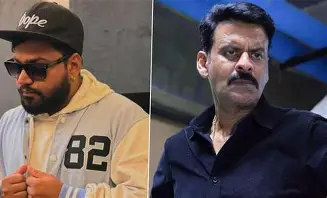
India loves to talk about creative freedom — until creativity gets uncomfortable.
The Santy Sharma Ghooskhor Pandat controversy didn’t explode because of one angry post or one film title. It blew up because it touched a nerve Indian society keeps pretending doesn’t exist — where exactly does creative freedom end, and who gets to draw that line?
And before anyone pretends this is a “one-off issue,” let’s be honest: we’ve seen this movie before. Different artist, different outrage, same script.
Santy Sharma Was the Spark — Not the Fire

Let’s get this straight early:
Santy Sharma didn’t create the problem. He triggered a conversation that was already waiting to happen.
His objection to the title Ghooskhor Pandat wasn’t framed as a publicity stunt. It was framed as cultural offense — the idea that pairing a word associated with corruption with a community-linked identity isn’t just provocative, it’s disrespectful. His remarks quickly gained attention across digital media, reigniting debates around film titles and representation in India, as reported by The Siasat Daily.
Now here’s where people instantly split into camps:
- One side screams “artistic freedom!”
- The other shouts “cultural insult!”
And both sides conveniently stop listening after that.
Culture Clash vs. Creative Freedom: India’s Favourite Battlefield
This is the real issue hiding behind the headlines.
India claims to celebrate diversity, but when art touches religion, caste, or identity, tolerance suddenly comes with terms and conditions.
Let me say the quiet part out loud:
Creative freedom in India often exists only until someone powerful or loud decides they’re offended.
This isn’t new. India’s long and messy relationship with freedom of expression — especially in cinema — has been documented time and again, including how public outrage and legal pressure shape artistic choices, as explained in this Indian Express analysis.
The Uncomfortable Question No One Wants to Answer
Here’s the question everyone avoids:
If artists are free to offend, who decides what qualifies as offense — and why does that standard change every time?
Some films get defended as “bold storytelling.”
Others are dragged as “irresponsible provocation.”
Same industry. Same audience. Completely different reactions.
That inconsistency is the real problem.
Is This About Respect — or Selective Sensitivity?
Let’s be fair for a moment.
Yes, filmmakers should think twice before using shock-value titles that rely on stereotypes or loaded language. Provocation without substance is lazy, not brave.
But — and this matters — not every objection is about protecting culture either.
India has slowly built a culture where outrage is often rewarded with attention, and silence is punished. Scholars and commentators have repeatedly pointed out how selective outrage distorts conversations around art and identity, a pattern explored in depth by Scroll.in.
That creates an environment where:
- artists self-censor before creating
- filmmakers play safe, generic stories
- originality becomes a liability
That’s not cultural protection. That’s creative fear.
Commentary Break: Why This Keeps Happening
Here’s my blunt take — and you don’t have to like it.
India doesn’t hate creativity.
India hates uncertainty.
Art makes people uncomfortable. It forces interpretation. It removes control. And when a society is already divided, creativity becomes the easiest target to discipline.
So every few months, we pick a new artist, a new title, a new controversy — and pretend this one is different.
It isn’t.
What the Santy Sharma–Ghooskhor Pandat Controversy Really Reveals
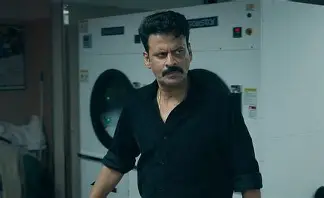
This controversy isn’t about one rapper or one film.
It’s about:
- where India draws its creative red line
- who gets to cross it safely
- and who gets burned for trying
If filmmakers start adjusting stories just to avoid backlash, Indian cinema doesn’t become more respectful — it becomes bland.
If critics shut down every uncomfortable idea, society doesn’t become more sensitive — it becomes fragile.
So Where Do We Go From Here?
The answer isn’t censorship.
And it’s not “say whatever you want, deal with it.”
The answer lies somewhere harder: intent, context, and accountability — values that sit at the heart of any healthy democracy and its creative ecosystem, as discussed in broader debates on freedom of expression in India.
Creators need to ask:
- Am I saying something meaningful, or just chasing outrage?
Audiences need to ask:
- Am I genuinely offended, or reacting because everyone else is?
Until both sides grow up, this cycle will repeat — again and again.
Final Thought
The Santy Sharma Ghooskhor Pandat controversy will fade from trending pages soon. Another debate will replace it.
But the tension it exposes won’t go anywhere.
Because India isn’t really fighting about a film title.
India is fighting over who controls culture — and who pays the price for challenging it.
And that fight?
It’s far from over.
FAQs
What is the Santy Sharma Ghooskhor Pandat controversy?
The controversy began after Santy Sharma criticized the title of the upcoming film Ghooskhor Pandat, calling it culturally insensitive and offensive, which sparked a wider debate on creative freedom in India.
Why did Santy Sharma object to the film title?
Santy Sharma argued that combining a word associated with corruption with a community-linked term reinforces negative stereotypes and crosses a cultural line.
Is Ghooskhor Pandat banned or censored?
No official ban has been announced. The issue remains a public and cultural debate rather than a legal or censorship action.
Does this controversy impact creative freedom in India?
Yes. It highlights how Indian artists and filmmakers often face backlash when creative expression intersects with religion, caste, or identity.
Why do such controversies keep happening in Indian cinema?
Because India’s boundaries around art, offense, and cultural sensitivity are inconsistent and often shaped by public outrage rather than clear standards.