
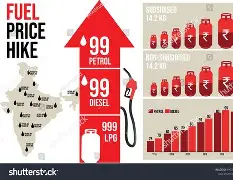
If you’ve filled up your bike, scooter, or car recently, you’ve probably noticed the same thing millions of Indians are discussing right now. Petrol and diesel prices have increased four times in just 11 days, putting extra pressure on household budgets across the country.
From office commuters in Bengaluru to delivery riders in Mumbai and small business owners in Jaipur, rising fuel costs are affecting everyday life. The big question many people are asking is simple: why have petrol and diesel prices increased so quickly, and could prices rise even further?
Let’s break it down.
Why Have Petrol And Diesel Prices Increased Four Times In Just 11 Days?
The recent petrol and diesel price hike is mainly linked to rising global crude oil prices and increasing pressure on India’s oil marketing companies.
India imports a large portion of its crude oil requirements. When international crude prices rise, the cost of importing and refining fuel also increases. Eventually, those higher costs make their way to consumers.
According to recent reports, fuel retailers have revised prices four times within 11 days, resulting in a cumulative increase of roughly ₹7.5 per litre in many parts of the country.
Recent industry estimates also indicate that petrol prices have increased by approximately 7.8%, while diesel prices have increased by around 8.6% since mid-May. That makes this one of the most significant short-term fuel price increases seen in recent years.
For more details about the recent hikes, readers can explore reports from Business Today and Economic Times.
Why Are Fuel Prices Increasing So Quickly?
Many Indians assume fuel prices depend only on domestic decisions. In reality, global events play a major role.
Rising Crude Oil Prices
Global crude oil prices have remained elevated because of geopolitical tensions and concerns about supply disruptions.
Since India imports most of its crude oil requirements, higher international prices directly increase the cost of supplying petrol and diesel across the country.
Pressure On Oil Marketing Companies
State-owned fuel retailers such as Indian Oil, Bharat Petroleum, and Hindustan Petroleum have been facing pressure from rising procurement costs.
While companies do not immediately pass every increase to consumers, prolonged periods of expensive crude oil eventually force price adjustments.
Strong Domestic Demand
India continues to be one of the fastest-growing energy markets in the world.
As economic activity expands, fuel demand remains strong, creating additional pressure when global supply conditions become uncertain.
What Are Petrol And Diesel Prices Today In India?
One of the most searched questions online right now is about petrol and diesel prices today.
The answer depends on where you live because fuel prices vary across states and cities.
Why Prices Differ Across States
Every state applies different taxes and levies on fuel.
This is why someone purchasing petrol in Mumbai may pay a different price than someone filling up a vehicle in Delhi, Ahmedabad, or Lucknow.
What Makes Up Fuel Prices?
The final retail price includes several components:
- Base fuel cost
- Crude oil import cost
- Central government taxes
- State VAT
- Dealer commission
- Transportation expenses
For updated city-wise fuel rates, readers can follow regular updates from Economic Times Fuel Tracker.
If you’d like a deeper explanation, check out our guide on Why Are Petrol Prices Different In Every Indian State?.
How Does The Fuel Price Increase Affect Everyday Indians?
Fuel prices affect much more than what we pay at petrol pumps.
Because transportation powers almost every part of the economy, fuel price increases eventually influence the cost of goods and services.
Higher Transportation Costs
Truck operators, logistics companies, and freight businesses all rely heavily on diesel.
When diesel prices rise, transportation becomes more expensive. Businesses often pass part of that cost to consumers.
Impact On Food Delivery And Online Shopping
Services such as Swiggy, Zomato, Blinkit, and e-commerce platforms depend on transportation networks.
Higher fuel costs can increase operating expenses and affect delivery economics over time.
Pressure On Household Budgets
For middle-class families already managing EMIs, school fees, and utility bills, repeated fuel hikes create additional strain.
Even a few extra rupees per litre can add hundreds of rupees to monthly transportation expenses.
Impact On Inflation
The impact is already visible beyond petrol pumps.
Higher fuel costs increase transportation expenses for businesses, delivery services, and freight operators. This can eventually affect the prices consumers pay for groceries, household goods, and everyday essentials.
You may also want to read our analysis on Will Inflation Rise Again In India In 2026?.
Could Petrol And Diesel Prices Rise Further?
This is the question worrying many consumers right now.
The answer depends largely on international crude oil markets and future geopolitical developments.
If global crude oil prices remain elevated, additional pressure on domestic fuel prices could continue.
However, government policies, taxation decisions, and the financial condition of oil marketing companies will also influence future pricing decisions.
Key Factors To Watch
- Global crude oil prices
- Developments in major oil-producing regions
- Indian government policy decisions
- Oil marketing company losses
- Domestic fuel demand trends
These factors will shape the future direction of fuel price increase India 2026 discussions.
What Can Consumers Do To Reduce Fuel Expenses?
While consumers cannot control global oil markets, they can reduce the impact of higher fuel prices.
Some practical steps include:
- Combining multiple errands into a single trip
- Maintaining proper tyre pressure
- Using public transportation when practical
- Exploring carpooling options
- Choosing fuel-efficient vehicles
Many Indian consumers are also showing greater interest in CNG and hybrid vehicles as operating costs continue to rise.
Final Thoughts
The reason petrol and diesel prices increased four times in just 11 days comes down to a combination of rising global crude oil prices, geopolitical tensions, and growing pressure on India’s oil marketing companies.
Since mid-May, fuel prices have increased by roughly ₹7.5 per litre, with petrol rising around 7.8% and diesel around 8.6%. These increases are already affecting transportation costs, household budgets, and inflation expectations across India.
For now, consumers should keep a close eye on developments in global energy markets. If crude oil prices remain elevated, fuel prices are likely to remain one of the most closely watched economic issues in the country.
FAQs
Why have petrol and diesel prices increased in India?
Petrol and diesel prices increased because of higher global crude oil prices, rising import costs, and financial pressure on oil marketing companies.
How much have petrol and diesel prices increased recently?
Fuel prices have increased by roughly ₹7.5 per litre through four separate revisions within 11 days.
Will petrol and diesel prices increase again?
Future fuel prices will depend on global crude oil prices, geopolitical developments, and government policy decisions.
Why are fuel prices different in every Indian state?
Fuel prices vary because each state applies different VAT rates and local taxes.
How do global crude oil prices affect Indian fuel prices?
India imports most of its crude oil requirements. When crude oil becomes more expensive internationally, fuel prices in India usually increase as well.
Does a fuel price hike affect inflation?
Yes. Higher fuel prices increase transportation and logistics costs, which can raise the prices of goods and services across the economy.