
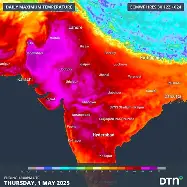
What is causing the India Heatwave 2026 and why is it so intense this year?
The India Heatwave 2026 is hitting earlier and harder than usual, and this is not random. According to recent IMD alerts covered in India heatwave IMD warning April 2026, several regions have already crossed 44°C to 46°C in April, which normally happens in late May.
The biggest reason is rising baseline temperatures due to climate change. This means even a normal summer now starts from a higher temperature level, making heatwaves more extreme.
Another factor is weak pre-monsoon activity and dry winds from northwest India, which are preventing natural cooling. The result is clear. The India Heatwave 2026 is lasting longer and spreading faster across multiple states.
Why India Heatwave 2026 is making cities unlivable
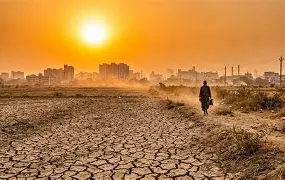
The harsh reality is this. Indian cities are designed in a way that traps heat instead of reducing it, and the India Heatwave 2026 is exposing that weakness brutally.
Concrete roads, glass buildings, and reduced green cover are creating urban heat islands, where cities become significantly hotter than nearby rural areas. Reports discussed in urban heat island effect India cities 2026 show that temperatures in cities can be 3°C to 7°C higher than surrounding regions.
Take Bihar as a real example. In Patna and Mithapur, people are already facing night temperatures above 30°C, which means the body never gets time to recover from the daytime heat.
Here is what is making things worse:
- Rapid loss of trees and green cover
- Dense housing with poor ventilation
- Traffic congestion adding heat and pollution
- High-rise buildings blocking airflow
All of this turns cities into heat traps during the India Heatwave 2026, making them feel almost unlivable.
How India Heatwave 2026 is affecting daily life and health
The impact of the India Heatwave 2026 is visible everywhere, from hospitals to daily routines.
Doctors are already reporting a sharp increase in heatstroke and dehydration cases, as highlighted in heatwave health alert India April 2026. Many patients are collapsing during peak afternoon hours.
Daily life is also getting disrupted:
- Power demand hitting record highs leading to frequent outages
- Water shortages in urban areas
- Outdoor workers struggling to function safely
- Delivery delays on platforms like Swiggy and Zomato
Even commuting has become exhausting. Traveling in crowded buses, autos, or non-AC trains during peak heat hours is becoming unbearable.
For many families, this is not just discomfort. It is a serious health and financial risk during the India Heatwave 2026.
Why India is still not fully prepared for extreme heatwaves
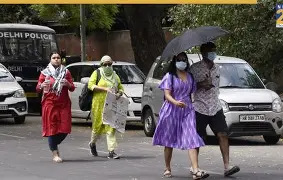
Let’s be honest. India is still reacting to heatwaves instead of preparing for them, and the India Heatwave 2026 is proving that clearly.
Government advisories exist, as mentioned in India heatwave preparedness government advisory 2026, but implementation on the ground is inconsistent.
Lack of heat-resilient city planning
Most cities are still built without considering extreme heat conditions, which leads to overheating structures and poor ventilation.
Limited public cooling infrastructure
There are very few cooling centers, shaded bus stops, or public hydration points, especially in smaller cities.
Power and water stress
With rising demand, power cuts and water shortages are becoming more frequent, worsening the situation for middle-class and lower-income households.
Low public awareness
Many people still ignore early symptoms of heat-related illness, which increases risk during the India Heatwave 2026.
How to survive and protect yourself during India Heatwave 2026
You cannot control the heatwave, but you can reduce its impact on your body and daily life.
Stay hydrated the right way
Do not rely only on water. Use ORS, coconut water, buttermilk, and traditional drinks like aam panna or sattu to maintain electrolytes.
Avoid peak heat hours
Try to stay indoors between 12 PM and 4 PM, when temperatures are at their highest.
Keep your home cool without AC
- Use wet curtains or bamboo mats
- Keep windows open during night hours
- Avoid cooking or using heat appliances during the day
Watch for warning signs
Do not ignore symptoms like:
- Dizziness
- Rapid pulse
- Extreme fatigue
These can be early signs of heat exhaustion or heatstroke, which need immediate attention.
Is India Heatwave 2026 a sign of a permanent shift?
Yes, and this is the uncomfortable truth.
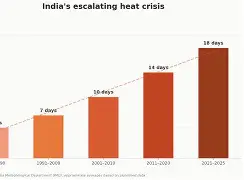
Experts believe that heatwaves like India Heatwave 2026 will become more frequent, longer, and more intense in the coming years. Climate change is already reshaping how Indian cities function.
If urban planning and infrastructure do not adapt quickly, we are heading toward a situation where summer conditions in many Indian cities become genuinely dangerous for everyday life.
The bottom line is simple. India did not build its cities for extreme heat, and now the consequences are becoming impossible to ignore.
FAQs
What is the main reason behind India Heatwave 2026?
The main reason is rising global temperatures combined with urban heat buildup and delayed monsoon patterns.
Which cities are most affected by India Heatwave 2026?
Cities like Delhi, Jaipur, Patna, and parts of Uttar Pradesh and Bihar are among the worst affected.
How dangerous is India Heatwave 2026 for health?
It can cause heat exhaustion, dehydration, and heatstroke, especially for children, elderly people, and outdoor workers.
How can people stay safe during India Heatwave 2026?
Stay hydrated, avoid peak heat hours, wear light clothing, and watch for early symptoms of heat-related illness.
4 thoughts on “India Heatwave 2026: Why Cities Are Becoming Unlivable Faster Than Expected”