
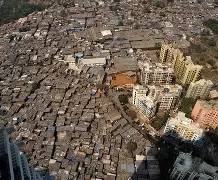
What is happening with Urban Infrastructure India in 2026?
If your city suddenly feels harder to live in this summer, you’re not imagining it. The reality of Urban Infrastructure India in 2026 is that multiple systems are under pressure at the same time.
Recent updates show that power demand has surged to unusually high levels during April itself, which normally happens later in peak summer. According to India sees surge in power demand during April heatwave, electricity usage is already crossing expected seasonal levels.
This is the real issue. Cities are not failing in one area. They are facing combined stress across water, power, and transport systems simultaneously.
Why Urban Infrastructure India is failing to keep up with city growth
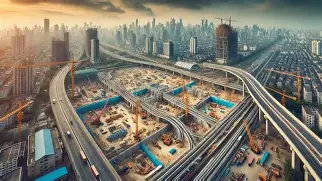
The urban infrastructure problems India is facing today are the result of rapid urban expansion without The urban infrastructure problems India is facing today are the result of rapid urban expansion without matching development.
Cities are growing fast, but infrastructure is not scaling at the same speed. Demand for housing, transport, and utilities is increasing much faster than capacity in major cities.
Here are the main reasons behind the crisis:
- Population growth without infrastructure expansion
- Outdated systems handling modern demand
- Unplanned construction reducing natural resources
- Slow policy execution and delayed projects
This is why even normal situations now turn into major urban disruptions.
What are the main causes of Urban Infrastructure India crisis?
Here is the part most people miss. The Urban Infrastructure India crisis is not caused by one issue.
Key causes of infrastructure failure in Indian cities
- Groundwater depletion and poor water management
- Rising electricity demand during extreme heat
- Traffic congestion due to weak transport planning
- Lack of coordination between city departments
- Insufficient investment in maintenance
This combination creates a situation where everything starts failing together instead of separately.
How infrastructure failure in Indian cities is affecting daily life
The infrastructure failure Indian cities are facing is already visible in everyday life.
In cities like Bangalore, the situation is getting serious early in the season. Reports show water shortages beginning even before peak summer, forcing reliance on private supply. As highlighted in early summer water crisis reported in Bengaluru, demand is rising while supply is tightening.
At the same time, residents are dealing with:
- Power fluctuations during peak heat hours
- Irregular water supply in residential areas
- Longer commute times due to traffic congestion
This is turning daily life into a constant adjustment problem, not just inconvenience.
Even gig workers are affected. Delivery partners on Swiggy and Zomato are handling heat, traffic, and resource shortages together, which slows down services.
Why water and power crisis India cities are facing are connected
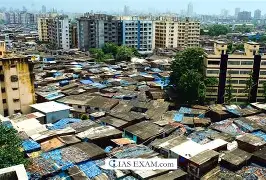
The water and power crisis India cities are facing are not separate issues. They are deeply linked.
Heatwaves increase electricity demand because of ACs, coolers, and fans. At the same time, water usage rises across households.
If you look at how India Heatwave 2026 is making cities unlivable and how water shortages are worsening across Indian cities, the connection becomes clear.
This creates a chain reaction:
- More heat → higher electricity demand
- Higher demand → system overload
- Water shortage → increased stress on households
This is why the crisis feels layered and continuous.
How transport issues reflect deeper Urban Infrastructure India problems
Transport is another clear example of Urban Infrastructure India struggling to cope.
The recent Bike Taxi Ban India situation shows how fragile city transport systems are. When affordable options disappear, people are forced into costlier and slower alternatives.
You can explore this further in Bike Taxi Ban India 2026: Why Apps Are Getting Restricted.
The bigger issue is:
- Weak last-mile connectivity
- Overcrowded public transport
- Increased reliance on private vehicles
This leads to higher costs and longer travel times, adding more pressure to daily life.
What recent data tells us about Urban Infrastructure India stress
Recent developments confirm that the Urban Infrastructure India crisis is accelerating earlier than expected.
- Power demand is peaking earlier than usual
- Water shortages are appearing before peak summer
- Urban systems are under combined pressure
This shows one thing clearly. The stress is not future risk. It is already happening in real time.
Is Urban Infrastructure India going to improve or get worse?
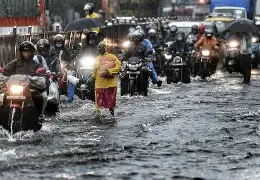
The honest answer is mixed.
There are efforts through infrastructure programs and investments, but the pace of improvement is slower than demand growth.
If current trends continue:
- Infrastructure demand will keep rising
- System gaps will widen
- Daily life pressure will increase
This means the Urban Infrastructure India crisis is likely to remain a long-term issue.
What does this mean for people living in Indian cities?
FFor most people, this is no longer a background issue. It is part of daily life.
You are already seeing:
- Higher monthly expenses due to water and electricity costs
- More time spent commuting
- Reduced comfort during extreme weather
The bigger issue is unpredictability.
When water, power, and transport all become unreliable, city life becomes harder to manage.
Final truth
The Urban Infrastructure India crisis is not about one failure.
It is about multiple systems breaking at the same time
And cities struggling to keep up with their own growth
Right now, this is not a future problem.
It is already part of everyday life.
FAQs
What is Urban Infrastructure India crisis?
The Urban Infrastructure India crisis refers to the growing pressure on city systems like water, electricity, and transport due to rapid urbanization and poor planning.
Why is urban infrastructure failing in India?
It is failing because of population growth, outdated systems, and slow infrastructure development.
How does water and power crisis affect Indian cities?
It increases cost of living, health risks, and daily stress, making city life more difficult.
Which cities are most affected by infrastructure issues in India?
Cities like Bangalore, Delhi, and Mumbai face the highest pressure due to population density and demand.
Will Urban Infrastructure India improve in the future?
Improvement is possible, but only with better planning, faster policy execution, and investment in infrastructure.