
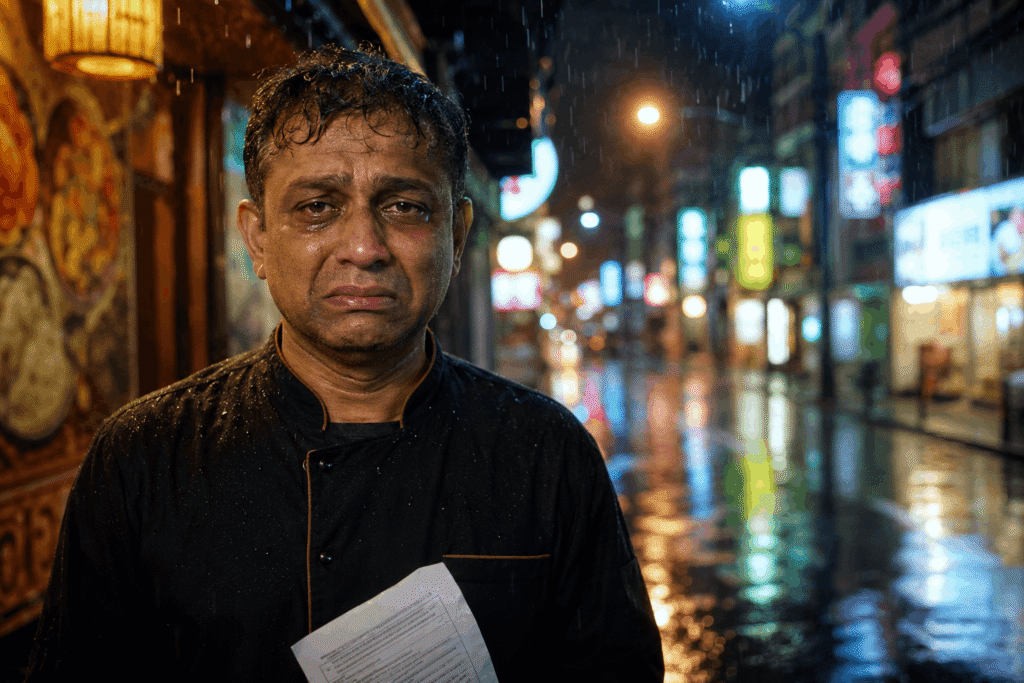
An emotional video of an Indian restaurant owner in Japan breaking down during a public gathering has suddenly pushed the Japan visa crackdown debate into the spotlight. The man, identified as Manish Kumar, has reportedly lived in Japan for nearly 30 years and operated an Indian restaurant for around 18 years before facing visa renewal rejection under Japan’s stricter immigration system.
For many Indians watching this unfold online through platforms like Instagram, X, YouTube Shorts, and WhatsApp forwards, the story feels personal. Thousands of Indians dream of settling abroad through work, business, or study visas, and this case has raised uncomfortable questions about Japan immigration rules, long-term residency security, and the future of small foreign businesses in Japan.
What Happened In The Indian Restaurant Owner Japan Case?
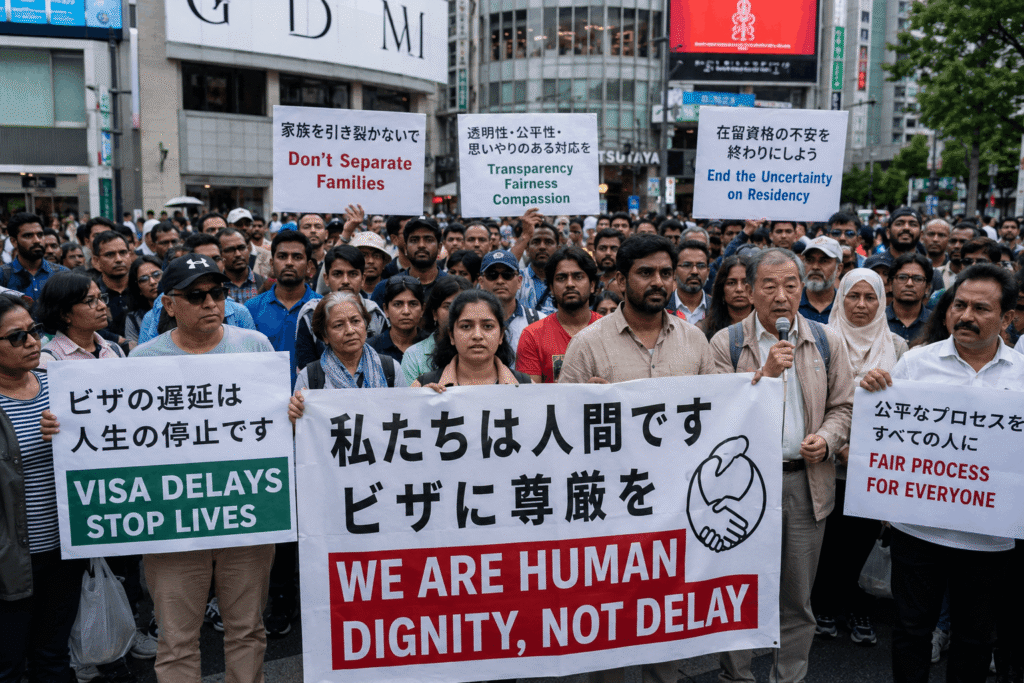
According to recent reports, Manish Kumar’s business manager visa renewal was denied by Japan’s Immigration Services Agency. During a protest event in Tokyo, he emotionally described how authorities allegedly told him to “go back to India,” despite his family spending decades in Japan.
His children were reportedly born and raised in Japan and primarily speak Japanese. That detail hit many Indians emotionally because it reflects a reality familiar to migrant families worldwide. Once children grow up abroad, returning suddenly to another country becomes socially and emotionally difficult.
The issue quickly gained traction on Indian social media. News clips from NDTV and viral translated videos spread rapidly across Delhi, Mumbai, Hyderabad, Bengaluru, and Kerala-based expat communities.
People especially connected with one question he reportedly asked:
“What am I supposed to do?”
That emotional line turned the story from a visa issue into a human story.
For reference, you can read NDTV’s recent report on the case through this detailed coverage of the Japan visa crackdown.
Why Is Japan Tightening Immigration Rules?
Japan has traditionally maintained strict immigration policies compared to countries like Canada, Australia, or even Germany. However, the recent Japan visa issues surrounding business manager visas appear significantly tougher than before.
Reports indicate that Japan revised its business visa framework in late 2025 to prevent misuse of residency pathways. Authorities reportedly believed some applicants were using small businesses mainly as a route toward long-term stay rather than operating genuine enterprises.
Under the revised rules:
- Minimum capital requirements reportedly increased from ¥5 million to ¥30 million
- At least one full-time local employee may now be required
- Japanese language expectations have become stricter
- Office legitimacy and tax compliance checks are tighter
In Indian currency, the capital jump reportedly moves from around ₹30 lakh to nearly ₹1.8 crore or more depending on exchange rates.
For small restaurant owners, grocery stores, cafés, and independent entrepreneurs, that is a massive jump.
A restaurant owner from Hyderabad or Kochi operating abroad may manage a stable small business successfully for years. But suddenly arranging nearly ₹2 crore in capital is a completely different challenge.
How Big Is The Japan Visa Crackdown?
One statistic from recent reports shocked many observers.
According to official data cited in media coverage, applications for Japan’s business manager visa reportedly dropped by nearly 96 percent after the policy changes came into effect. Monthly applications reportedly fell from around 1,700 to just 70.
That number alone explains why this story exploded online.
Whenever such a dramatic fall happens, people naturally start asking:
- Are rules becoming too harsh?
- Are genuine business owners getting trapped?
- Is Japan discouraging foreign entrepreneurs?
At the same time, Japanese authorities argue these changes are necessary to stop abuse of the system. That part is important too because every immigration policy usually balances economic needs with border control concerns.
Still, critics argue the current approach may be hurting legitimate small businesses that spent years contributing to local communities.
You can also check this recent Hindustan Times report on Japan residency problems.
Why Indians Are Reacting Strongly To This Story
This story resonates deeply with Indians because migration is now a major middle-class aspiration.
Families across Gujarat, Punjab, Telangana, Kerala, and Andhra Pradesh regularly invest lakhs of rupees into overseas education, work permits, IELTS coaching, consultancy fees, and immigration plans. Whether someone uses Paytm to pay visa consultants or watches YouTube creators explaining foreign PR systems, the dream of building a life abroad has become mainstream.
That is why this case feels bigger than just one restaurant owner.
Many Indians are asking:
- If someone can stay 30 years and still face uncertainty, how secure is long-term migration anywhere?
- Can immigration policies suddenly change after people build their lives abroad?
- Are small business owners becoming vulnerable globally?
These concerns are especially relevant now because many countries are tightening immigration systems after economic pressures and rising political debates around migration.
Even in India, discussions around citizenship, documentation, and migration policies often become emotional very quickly. So naturally, this Japan case triggered strong reactions online.
What Are The New Japan Immigration Rules For Business Owners?
Higher Financial Requirements
The biggest reported change is the increase in minimum investment requirements. Earlier, around ¥5 million could qualify someone for the business manager category. Now reports suggest the benchmark has increased dramatically.
For many Indian entrepreneurs, especially family-run restaurants, this changes the entire business model.
Local Employment Expectations
Japan reportedly wants foreign business operators to contribute more directly to the domestic economy by hiring local workers.
That sounds reasonable in theory. But for smaller businesses operating on tight margins, employing full-time local staff in Japan can significantly increase operational costs.
Language Expectations
Japanese language proficiency is also becoming more important.
Unlike countries where English dominates business communication, Japan still functions heavily through Japanese in government systems, legal documentation, and local administration. That creates additional barriers for foreign entrepreneurs.
Could This Affect Indians Planning To Move To Japan?
Yes, especially people considering:
- restaurant businesses
- small retail stores
- consulting services
- independent entrepreneurship routes
Students and skilled workers may not face the exact same requirements, but the broader signal is clear:
Japan immigration rules are becoming stricter for long-term residency pathways connected to business visas.
That does not mean Indians should panic or avoid Japan entirely.
Japan still needs workers in several sectors because of demographic challenges and an ageing population. Indian IT professionals, engineers, chefs, language specialists, and students continue to explore opportunities there.
However, experts increasingly advise migrants to:
- understand visa categories properly
- maintain complete financial documentation
- avoid shortcuts
- monitor policy updates regularly
- consult verified immigration professionals
Blindly trusting random Instagram “visa experts” or Telegram groups can become risky very quickly.
For official immigration details, readers should always monitor the Japan Immigration Services Agency information portal.
Why This Story Matters Beyond Japan

The reason this case is trending in India is simple.
People no longer see migration as temporary. Families invest emotionally, financially, and socially into settling abroad. Children grow up there. Businesses become community spaces. Friendships, schools, homes, and identities all become tied to that country.
So when someone who spent decades abroad suddenly faces uncertainty, it creates fear among others chasing similar dreams.
At the same time, governments worldwide are becoming more aggressive about verifying immigration legitimacy, financial stability, and long-term economic contribution.
That tension is likely to grow globally in coming years.
For Indians planning international careers or businesses, the lesson is clear:
Visa approval is not the same as permanent security. Immigration systems can change much faster than people expect.
Final Thoughts
The emotional story surrounding this Japan visa crackdown has become much bigger than one restaurant owner. It has opened a wider debate about migration, belonging, business survival, and how countries treat long-term foreign residents.
For many Indians, especially younger audiences watching from cities like Pune, Bengaluru, Ahmedabad, and Kochi, the story feels unsettling because it challenges a common belief:
that if you work hard abroad for decades, stability eventually follows automatically.
Right now, that assumption is being questioned.
FAQs
Why is the Japan visa crackdown trending in India?
The Japan visa crackdown became widely discussed after reports surfaced about an Indian restaurant owner facing deportation concerns despite living in Japan for nearly 30 years.
What are the new Japan immigration rules?
Recent reports suggest Japan has tightened rules around business manager visas, including higher investment requirements and stricter compliance checks.
Why was the Indian restaurant owner asked to leave Japan?
According to media reports, visa renewal complications linked to Japan’s stricter immigration policies reportedly affected the restaurant owner’s residency status.
Are Japan visa rules becoming stricter for foreigners?
Yes, recent policy changes indicate stricter screening for business and residency-related visa categories in Japan.
Can Indians still move to Japan for work or business?
Yes. Japan still offers opportunities for skilled workers, students, and entrepreneurs, although immigration compliance requirements are becoming more demanding.
How much investment is now required for Japan business visas?
Some reports claim the expected business capital threshold increased significantly under revised immigration scrutiny measures.
Is Japan safe for Indian immigrants?
Japan remains one of the safest countries globally, but long-term residency security depends heavily on visa category compliance and policy updates.